If there is one thing that is certain about the supply chain, it is that it can be unpredictable. For organizations in the supply chain industry, the more they can control, the less likely they are to fall victim to that unpredictability. While so much of the supply chain is out of the hands of any individual organization, there are certain ways that they can gain some control.
One of these is cross-docking. Cross-docking can save an organization time and money, but only if it is done in a way that works for that business. Let’s take a look at what cross-docking can do, and how data plays an important role in using it to benefit your organization.
What is cross-docking?
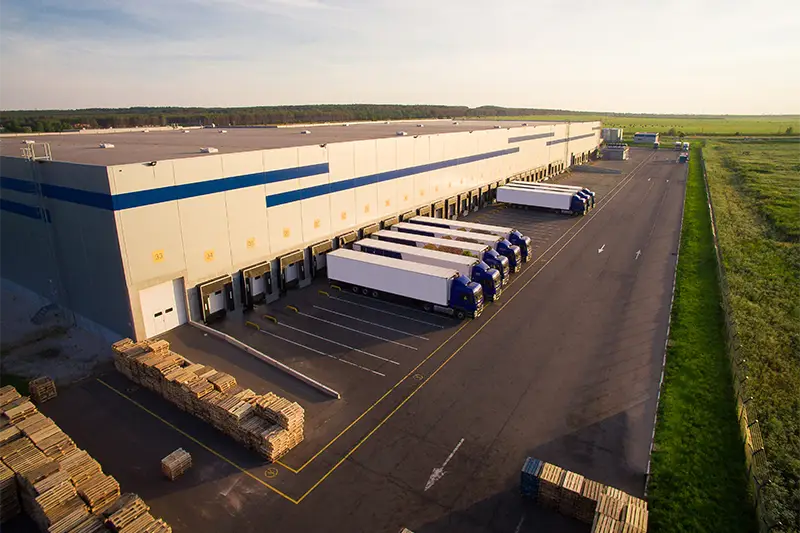
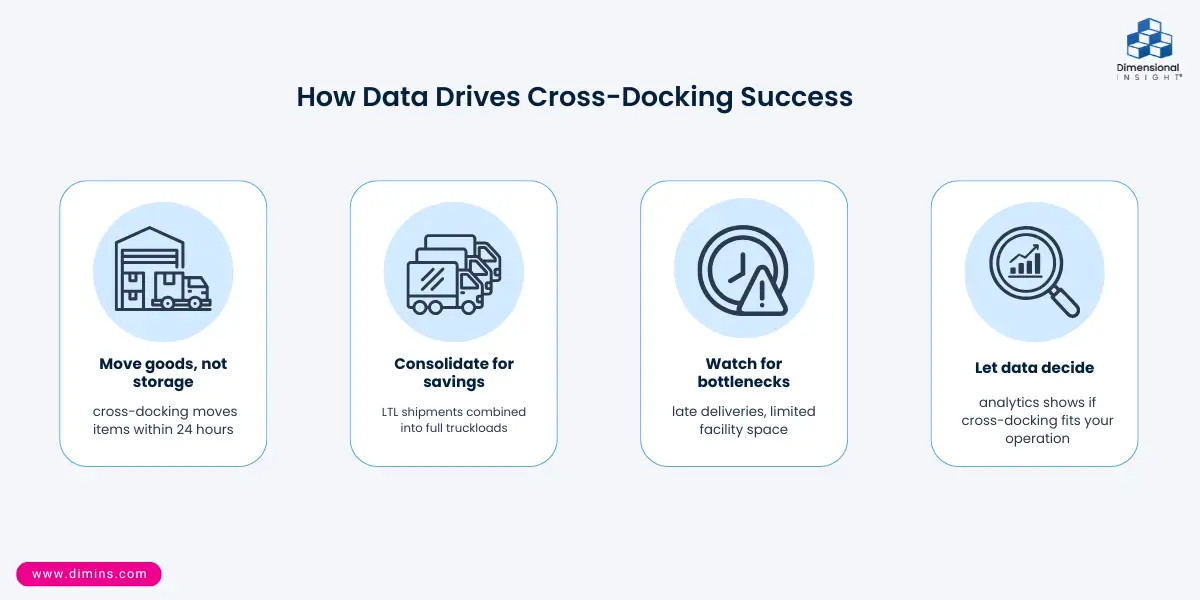
Cross-docking is a supply chain strategy that moves goods more quickly, eliminating the need for long-term storage. Upon arrival at one spot, rather than sitting in a warehouse, items are quickly moved to their next destination, usually within 24 hours. Organizations that use a just-in-time delivery system benefit greatly from cross docking. Other types of organizations that use cross docking strategies are companies that prioritize quick delivery, or ones that ship temperature-sensitive products.
What are the benefits and drawbacks to cross-docking?
There are different types of approaches to cross-docking, depending on an organization’s needs. Sometimes shipments are broken up and separated to send off to different destinations, and sometimes there is hardly any down time between shipments, called continuous flow cross docking. For companies with smaller shipments, or less-than-truckload (LTL), shipments can be combined into a full truckload to optimize shipping. This not only saves an organization money on shipping, but it can also be more environmentally friendly.
There are potential drawbacks involved with cross-docking, primarily the fact that it does not eliminate every risk associated with the supply chain. Late deliveries or limited space at a facility can slow down the process. Cross-docking involves careful coordination to make sure all parties are on the same page, from suppliers to shippers to warehouse managers. In order to ensure cross-docking can work the way it is intended, organizations need data.
How can analytics help ensure cross-docking success?
Data can play two roles when it comes to cross-docking. First of all, from the business end, analytics can help decision-makers understand if cross-docking will benefit their organization. If an organization relies on warehouse space for inventory storage, it clearly is not the right approach. But if there’s an opportunity to move goods more quickly and eliminate some or all of that storage, saving the organization time and money, the data can help you figure out if cross-docking is the right move. Further, it can tell you which cross-docking strategy is best for your company.
Secondly, data plays an important role in making sure all of the moving parts that cross-docking requires are working together. A comprehensive supply chain analytics solution can bring together data from the disparate systems to produce reports reflecting one single version of truth, rather than getting information from different sources and trying to make sense out of them on your own. Cross-docking relies on information from both transportation data systems as well as warehouse management systems. A flexible analytics solution can not only integrate those systems, but also bring in data from your organization, allowing you to look at all aspects of the operation to ensure everything is running smoothly.
Many cross-docking partners offer real-time updates as goods move through their facility. Using an analytics solution to help make sense of that up-to-the-minute information can allow organizations to make real-time cross-docking decisions, allowing for any last-minute changes that can impact delivery times positively or negatively.
There is no perfect solution to overcome every hurdle in the supply chain industry. The more an organization can control, though, the better it is for business. Using data, an organization can figure out exactly which variables, like cross-docking, could be the ones that you can control. The right analytics solution can then help you maximize that control, figuring out exactly where there are opportunities to save time and money, and helping your operation run more smoothly.

- Data can Lead the Way for Tuition Decisions - October 15, 2026
- Proper Data Governance Prevents Data Slop - October 8, 2026
- Tracking Shipping Price Changes with Analytics - October 1, 2026