Data is not an automatic fix. Some organizations hope simply implementing an analytics solution will solve all of their problems. In reality, it takes a lot of people and a lot of time to put in place a data plan that supports data-driven supply chain decisions, especially in an industry as complex as the supply chain.
Most organizations are looking to use data to help them save time and money. Here are some examples of companies that have developed plans around using data to do just that, and how your organization can learn from their work.
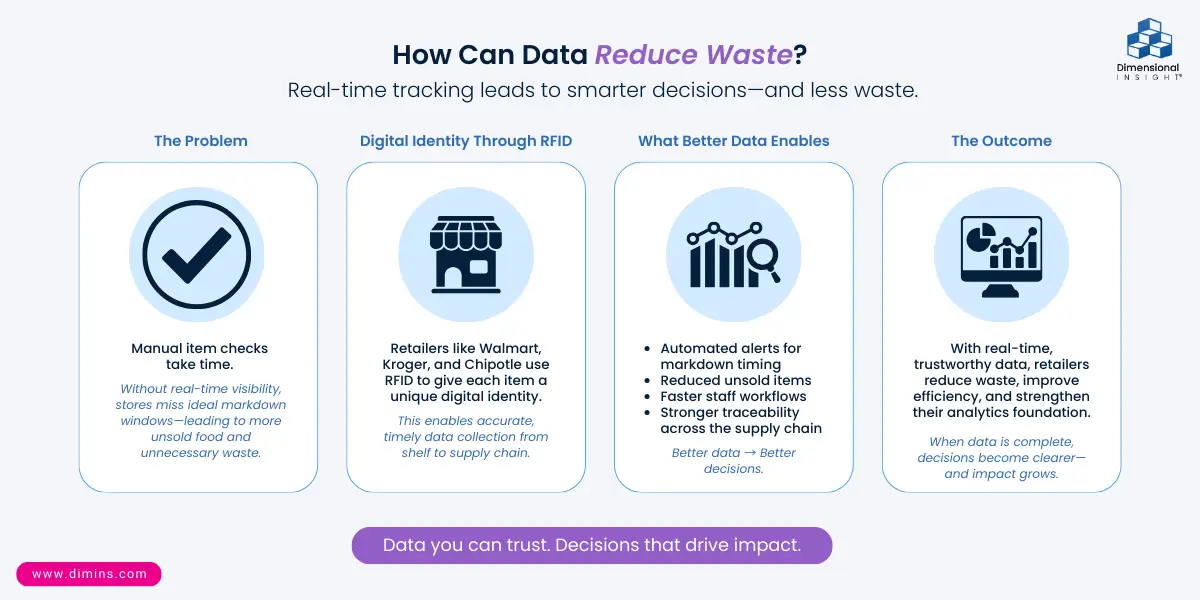
How can data reduce waste?
Walmart is working with an RFID solution that will give items in the bakery, meat, and deli departments their own digital identity. The information from the tool can help workers know when it is time to mark down an item, saving them the time of checking each item manually, and reducing the amount of food that is unsold by stores and minimizing food waste.
Walmart is not alone in using RFID technology – Kroger and Chipotle have employed similar tools to increase their ability to trace food across the supply chain. An analytics solution is only as good as the data that informs it. The best approaches start in the way these companies are doing it – by compiling solid data. The more information an organization is able to gather in relation to the decisions it is trying to make, the better the analytics can be.
How can data help with inventory?
Amazon is on pace to have its third consecutive year of improvement in its Prime delivery speeds. The company credits better inventory placement in its fulfillment network. By keeping products closer to the people it is delivering to, it can offer faster delivery windows to customers. In select cities, Amazon is offering three-hour delivery, and it has increased the communities where it is able to offer same-day delivery. This has also allowed the company to expand its food delivery capabilities, since it can more quickly get perishable items to their destinations.
Walmart is also working to improve how it moves items through the cold chain, using sensors to ensure once products reach a store they are quickly moved to coolers. The inventory data from the sensors is then used to inform the AI systems that the company uses in its supply chain to make better inventory decisions.
Every company wants to be faster, but no one wants to make promises to its customers that it can’t follow through on. That’s why it’s important to use analytics to explore what is possible, identify potential improvements, and then make the decisions that can lead to improved speed or better inventory management.
How can data help an organization hit its financial goals?
Almost every decision that is made using data can help an organization financially. Sometimes the financial benefits are a secondary result, though. Using data to figure out how to better meet environmental goals, for example, could end up saving an organization money in the long run, but the primary motivation in that case may be to better meet regulations or customer expectations.
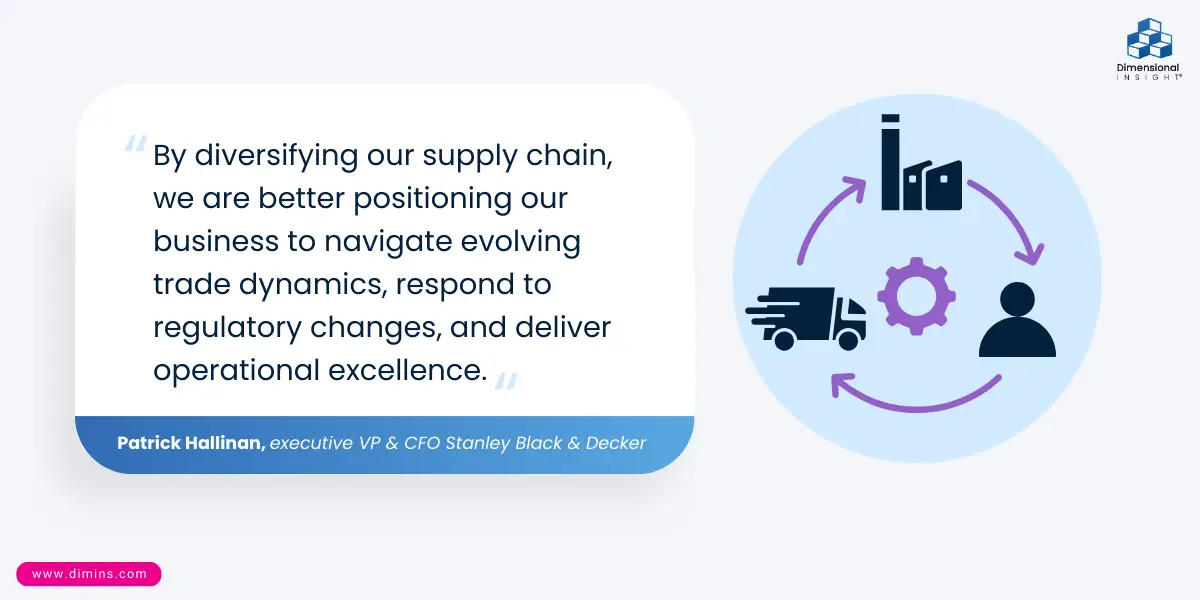
Stanley Black & Decker offers an example of an organization looking to its supply chain data to help it meet its financial goals. The world’s largest toolmaker credited its enhanced supply chain efficiencies for the third quarter success it has had, and the continued work in that area is a large part of its goals moving forward. The company has minimized the amount of supply that has come from China, moving some of its operations to Mexico, with plans to decrease the levels of sourcing from China even more by the end of 2026. “By diversifying our supply chain, we are better positioning our business to navigate evolving trade dynamics, respond to regulatory changes, and deliver operational excellence,” Patrick Hallinan, executive VP & CFO, said on an earnings call in early November.
In all of these cases, data is an important part of the decision-making process. But organizations need to have an idea of what they are going to do with that data in order for it to make a difference. The right analytics partner can help guide you through that process. Once an organization identifies which data points will best support data-driven supply chain decisions, it can use those insights to transform the business for the better.

- Data can Lead the Way for Tuition Decisions - October 15, 2026
- Proper Data Governance Prevents Data Slop - October 8, 2026
- Tracking Shipping Price Changes with Analytics - October 1, 2026