Organizations are constantly taking steps to make sure their supply chains are running as efficiently as possible. There are all kinds of possible adjustments, both visible and invisible to the outside world. Sometimes it’s a business relationship overseas, and sometimes it’s a new building that pops up in your city.
Those buildings can help organizations make a difference when it comes to inventory. There are different approaches companies can take, but inventory offers one area in which organizations can make a significant impact on the way they move products through the supply chain. In order for that to happen, they need to use data. Two companies made recent changes in this area. Let’s take a look at their decisions and how data plays a role in that work.
A new receive center
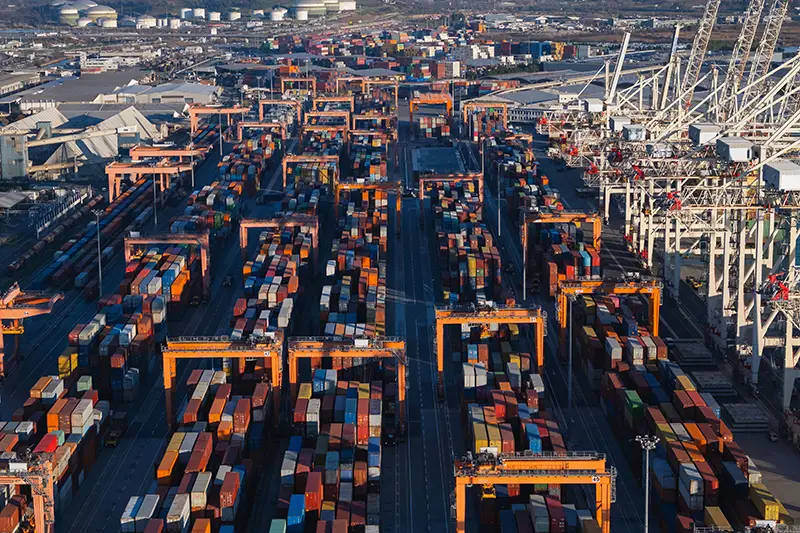
Target recently opened its first Receive Center in Houston. Because of its central location, the facility complements import warehouses in Georgia and Washington, servicing six regional distribution centers. The Receive Center can get products to stores or straight to customers more quickly and at a lower cost because they are traveling shorter distances. It also allows the organization to wait to distribute inventory until the moment it is needed, keeping store backrooms and other distribution centers from becoming overcrowded.
Simply put, Target is increasing the flexibility in its supply chain by increasing storage capacity early in the process. Instead of subjecting itself to possible item shortages close to the holiday shopping season, for example, the company can secure popular items from vendors early and hold on to them until they get sold. It’s also beneficial for items that are bulky, challenging to forecast, or that have long lead times.
Combining retail and distribution
Bob’s Discount Furniture is looking at improving delivery times and inventory storage by combining retail and distribution. In February, the organization opened its first retail location combined with a distribution center in Solon, Ohio, near Cleveland. The location is strategic, as the company has eight stores in Ohio, and the facility is close to key transportation routes. The retailer calls the state “an ideal test location” for the new model.
Bob’s Discount Furniture also opened a number of stores in the southeastern United States last year. As a result, it recently broke ground on its seventh distribution center in Macon, Georgia, which will supply about 100 stores in the southeast and support the company’s expansion in that area.
How does ata matter for inventory flow?
Many companies learned some hard lessons over the past few years about the “just in time” inventory strategy when either shipments were delayed or shipping costs spiked due to several disruptions. That led to a lot of organizations looking to increase their ability to either produce or store products closer to their stores, and is certainly a factor in Target’s new Receive Center. But data plays a role as well.
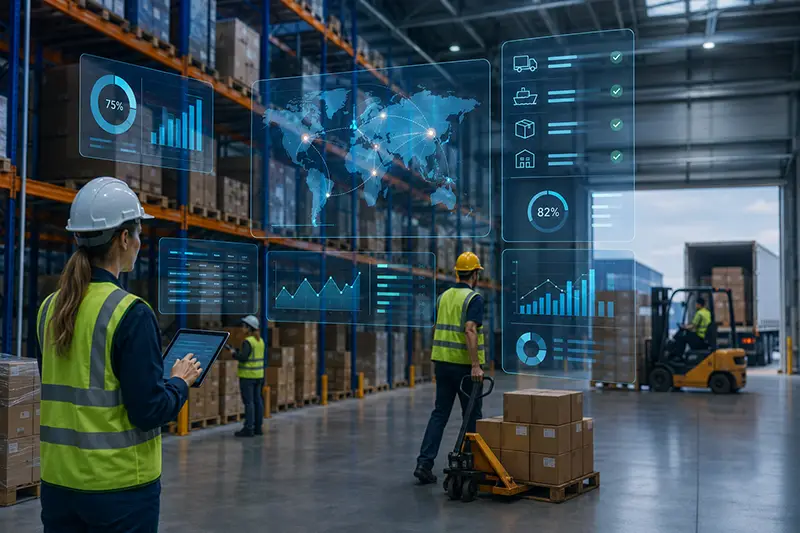
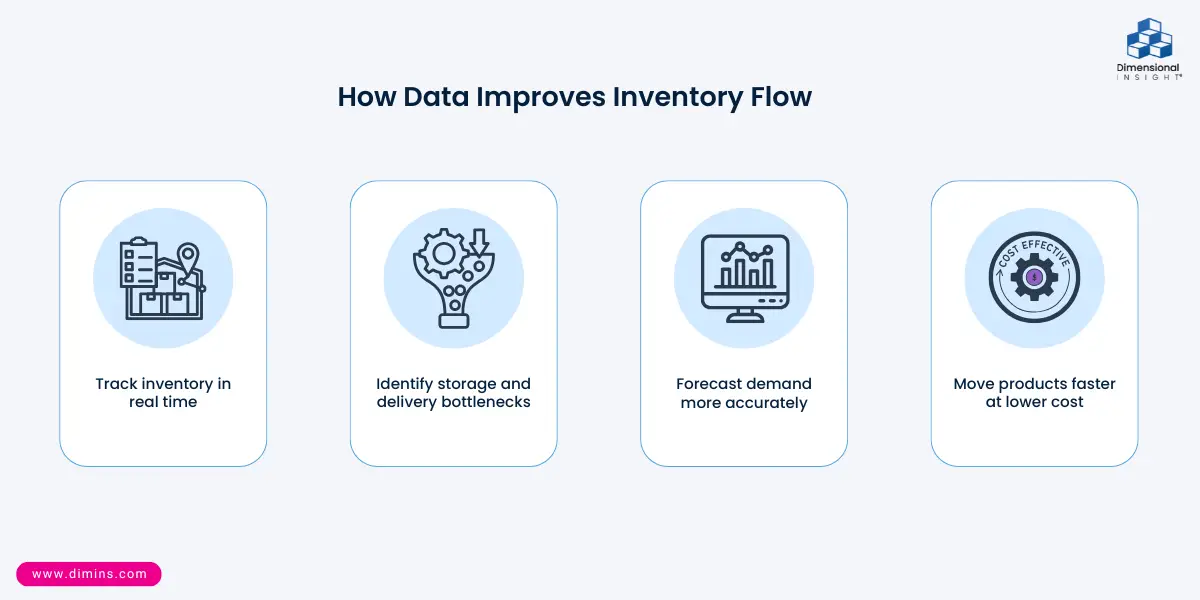
Whether an organization has its operation spread out around the world or it has managed to bring inventory close to home, the right analytics solution can provide real-time updates about where products are in the supply chain and whether there are opportunities for more efficiency. Analytics offers organizations the ability to assess the performance of suppliers and other links in the chain, as well as forecasting that can help plan for the future.
As your organization changes over time, a flexible solution can also make adjustments to continue to meet your needs. Whether that is adding a Receive Center or combining retail and distribution in the same space, a flexible solution can bring together data from across the organization, producing one single version of the truth even if the data is coming from a variety of systems. That results in consistent metrics, providing executives with reports that allow them to make the kinds of decisions that allow for such expansions.
So much of the supply chain can be out of an organization’s control. Weather, shipping companies, and suppliers half a world away can all impact whether an order can make it to a customer on time. The more an organization can control elements like inventory and distribution, the better off it is. Data can help an organization understand how it can better get control of those aspects of the supply chain. A trusted analytics solution is imperative in order to make sense of all of that data and help improve the efficiency of getting products through the supply chain and to the customers who need them.


- What Election Predictions Can Teach Us About Data Analytics - October 22, 2026
- Data can Lead the Way for Tuition Decisions - October 15, 2026
- Proper Data Governance Prevents Data Slop - October 8, 2026