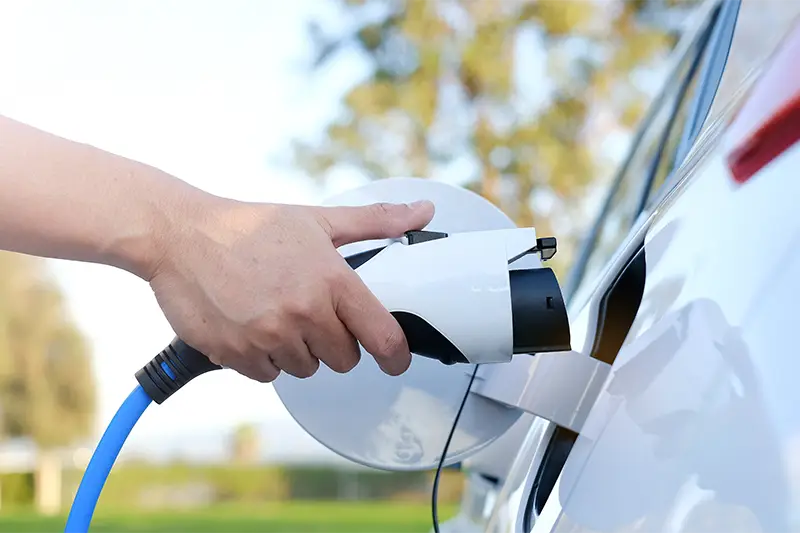
Rest areas have always offered drivers the opportunity to rest and recharge on long car trips. As more people take those trips using electric vehicles, the opportunity to recharge becomes quite literal.
After a recent dip, electric vehicles are seeing something of a resurgence in popularity. Some fast food restaurants and chain rest areas are seeing that as an opportunity. Here’s a look at how data factors into their decisions, and how utilities companies are responding.
EVs are back on the upswing
The New York Times recently reported that some of the fastest growth in electric vehicle sales and charging stations is taking place in southern states such as Texas and Florida. The newspaper quoted a firm that tracks electric vehicle data saying that, “In Georgia [in June], there were 29 percent more charging ports than there were a year earlier. In the second quarter, Texas and Florida lagged only California and Illinois in charger installations.” The newspaper also says that sales of new electric vehicles rose 15 percent in the second quarter of the year, although they are still down overall from last year.
The high price of gas is one reason people are turning to electric. Paying for a charging station, in many cases, does not compare to a full tank of gas, especially for larger gas-guzzling cars. Businesses have taken notice, and they have taken action.
Using data to make decisions
A Bojangles in Savannah, Georgia became the first Bojangles to install chargers recently. The company plans to add 85 more by early next year. “We knew that we had a certain percentage of our guests that were E.V. drivers,” the company’s chief information officer told The New York Times. “We see them going through our drive-throughs. And so we wanted something for them.” It’s not just the customers already coming through that led to the decision to install chargers – the company says doing so will help attract a different kind of customer.
Bojangles is just one southern business taking advantage of the opportunities electric vehicles are bringing. Car companies such as Mercedes and Hyundai have already opened manufacturing plants to produce the electric vehicles there, and others, like BMW, plan to do so in the near future. They’re also contributing to an infrastructure for the EVs – Mercedes has charging stations at 28 Buc-ee’s in the south.
What does this have to do with utilities data?
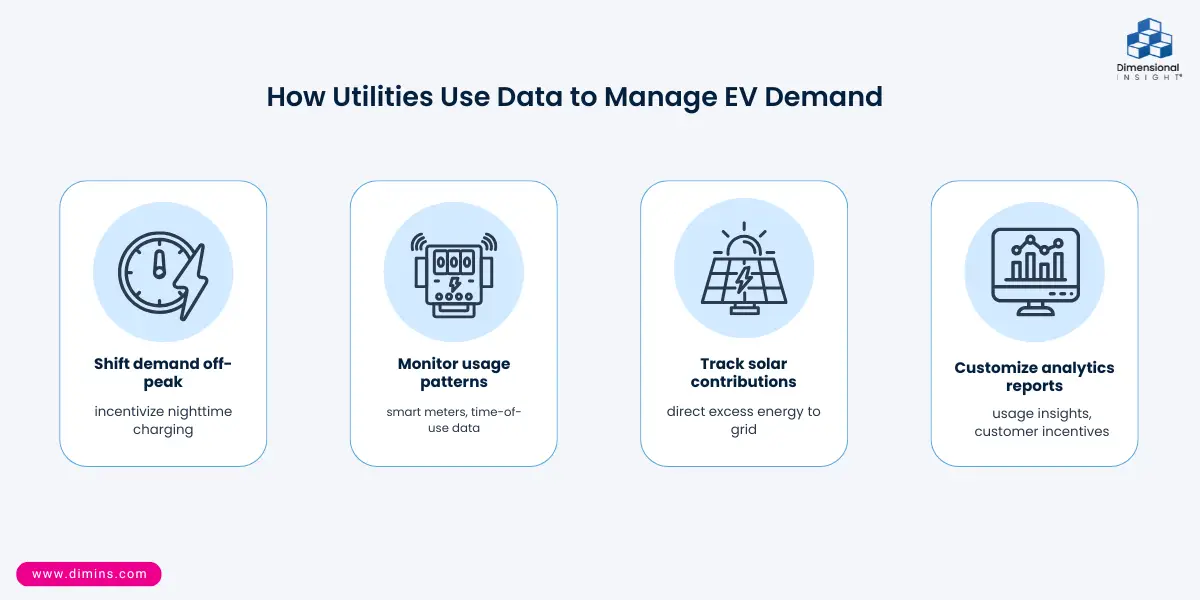
None of those organizations are making decisions about which companies to align themselves with without using data. Data also factors into how utilities companies have gotten themselves into the mix. They are also encouraging the move towards electric vehicles. Georgia Power provides rebates to customers who install home chargers, and those customers also get a lower rate at night. A Texas energy company offers free home charging to electric vehicle owners from 10pm to 5am.
By incentivizing nighttime charging, the utilities companies can ease the demand on the grid during the day. It’s not just electric vehicles – many utilities companies use smart meters that allow them to pinpoint the exact times customers are using electricity, and in what ways. They can use that information to monitor when customers gathering energy from solar panels, for example, might be able to direct extra energy back towards the grid.
All of these data-driven decisions require the right analytics solution. Utilities companies have the ability to gather all kinds of data – there’s customer data, usage information, maintenance data, and much more. With a flexible analytics solution, companies can turn that information into action, coming up with plans to make sure they are meeting the needs of their customers while maintaining the health of the overall grid. A customizable report can tell companies when usage is low enough to offer incentives to customers who, for example, might be using a lot of power to charge a vehicle.
There is a lot of change happening in the utilities industry right now. Advances in technology have increased the strain on an already overtaxed grid. Many of those same technological advances, though, can help organizations come up with creative solutions to ease those burdens. Analytics can help make sense of the data to provide a roadmap to success. For that to happen, though, organizations need a trusted analytics solution that can help them make sense of their data.

- Data can Lead the Way for Tuition Decisions - October 15, 2026
- Proper Data Governance Prevents Data Slop - October 8, 2026
- Tracking Shipping Price Changes with Analytics - October 1, 2026