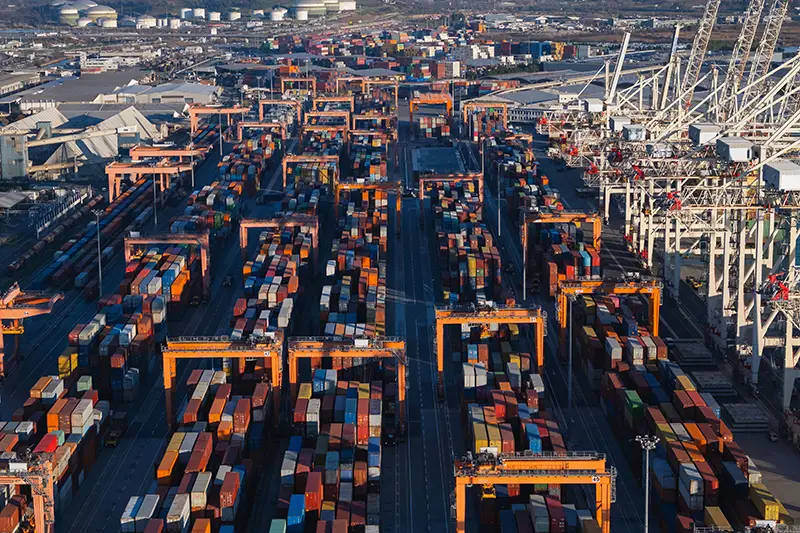
When you run a business, there are decisions to make every day. For organizations in the supply chain industry, it seems like those decisions never stop. Price fluctuations along different parts of the supply chain mean decision-makers are constantly assessing how to make sure the business can run efficiently.
Transportation companies are trying to make their own decisions that are good for them. Let’s take a look at some of the changes supply chain organizations have to consider when shipping goods, and how analytics can help make sense of it all.
New year, new prices
It can pretty much be expected that each year shipping companies will change their rates. This is something organizations have an eye on and can usually make safe predictions about when making their own spending decisions about their supply chains. FedEx, for example, recently announced its rate increases for 2027, and it is the same 5.9% increase the company has instituted the past few years, with the impact differing depending on the weight, distance, and method used for shipping.
There are also unexpected rate changes that supply chain companies need to factor in, though. In September, FedEx implemented demand surcharges on shipments entering the United States from certain countries, and increased surcharges already in place on goods coming from other parts of the world. The company says it will implement these demand surcharges “during times of elevated volumes, high demand for capacity, and increased operating costs across our network.”
Options are expanding
Whether it’s predictable or unpredictable, rate changes are a reality that organizations face when moving goods through the supply chain. Companies need to explore all of their options for shipping. One such option is port-to-inland transit, which can help reduce the number of miles traveled for a product from its point of origin to its destination. Advocates point to lower costs, reduced travel time, and decreased risk as benefits of the strategy, citing the fact that rather than haul goods hundreds of miles and then return empty, trucks can make a delivery to a much-closer railroad stop.
There are increasing options when it comes to rail shipping. Amazon, for example, is getting in on the rail game. The company has launched Standard Ocean Express as part of its Global Logistics shipping umbrella. Standard Ocean Express brings goods from the Los Angeles port to the east coast by direct rail, and touts faster transit times.
Analytics can help make shipping decisions easier
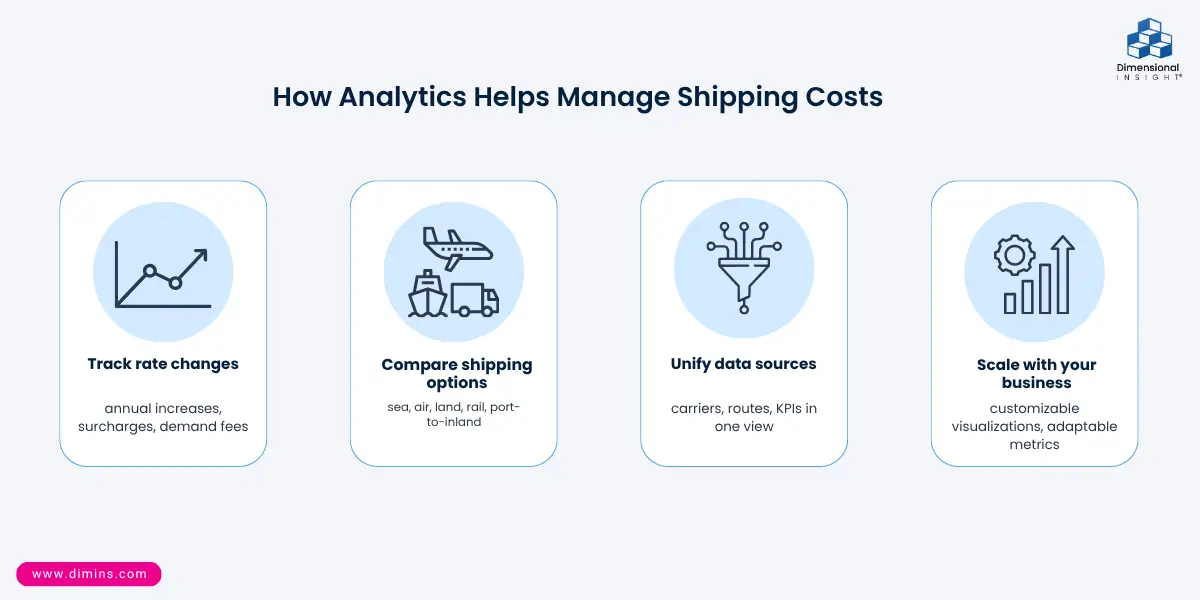
There is no shortage of options for companies to consider. Amazon joins a crowded group of logistics providers that are expanding their transportation options out of the port of Los Angeles. It is very difficult to keep track of all of the different options and different rates from different companies. Whether it’s by sea, air, or over land – or in some cases, a combination of all three – organizations have their hands full making decisions about moving goods.
An analytics solution can make those decisions easier. It is important to partner with an analytics organization that understands the industry, and how much the cost of moving goods can affect the prices of those products. Organizations need to keep those prices low so that they can meet customers’ high expectations of fast delivery times and reasonable prices.
The right solution can offer visibility across the supply chain, bringing together data from many different sources to ensure all relevant information is being considered when making decisions. That can include all of those shipping options and rates, as well as many other metrics that are important to your organization. It can be customized to include what matters to you, not a generic product that uses standard KPIs that can’t be changed.
The best solutions offer visualizations that help present the necessary information when and where it is needed, and they are scalable. As your organization adjusts and grows within the potentially volatile supply chain, the product can be adjusted to meet whatever new challenges arise for your organization.
While disruptions may cause certain parts of the shipping industry to slow down, the amount of change when it comes to shipping options is only likely to speed up. The right analytics solution can help you keep pace, managing all of the data so you don’t have to. By taking care of the small details, analytics can help you see the big picture and help you make the right decisions to ensure the best results for your organization and your customers.

- Tracking Shipping Price Changes with Analytics - October 1, 2026
- AI: The Good, The Bad (and Scary), and the Analytics - September 24, 2026
- Analytics Drives Creative Solutions to Utilities Industry Challenges - September 17, 2026