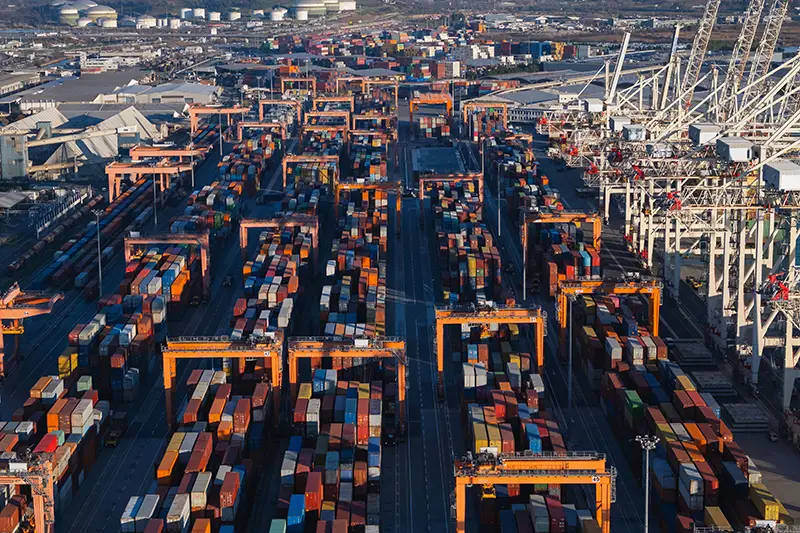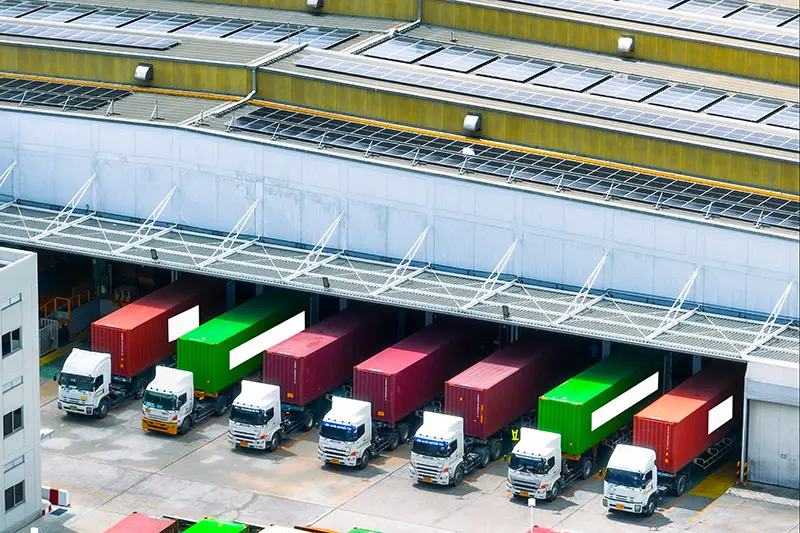
If there’s been one constant in the supply chain industry over the past half-decade it is the likelihood of disruption. Dating back to the pandemic, when supply chain woes became front-page news rather than just industry news, the disruptions have come regularly. They include a shipping route closed due to operator error, other shipping routes closed due to global conflicts, and price fluctuations for a variety of reasons, all forcing companies to adjust.
If organizations did not take steps pre-2020 to make sure they could navigate disruptions, they have since discovered the importance of supply chain transparency and flexibility. Analytics can provide the answers, whether an organization is looking to act proactively or reactively. One big area companies may not be looking at carefully enough is the financial health of vendors in their supply chain. Here’s how data can help organizations make sure their supply chains are in good shape – financially and otherwise.
What are the possible disruptions?
As mentioned above, organizations never know when a cargo ship might get stuck in a canal, closing off a vital route and forcing organizations to change their plans. Political winds might give a hint of what’s coming in terms of disruption when one country invades another. Companies can try to figure out what makes best sense for them, whether that’s finding an alternate route, an alternate means of shipping, or moving production to avoid an area altogether.
Weather can also impact the supply chain. Sometimes, when the weather affects shipping, it can result in the same process of finding alternatives. But extreme weather can also have an effect on agricultural production, forcing changes in that area. All of these examples are external, but organizations can face disruption from within their own supply chains as well.
How can transparency make a difference?
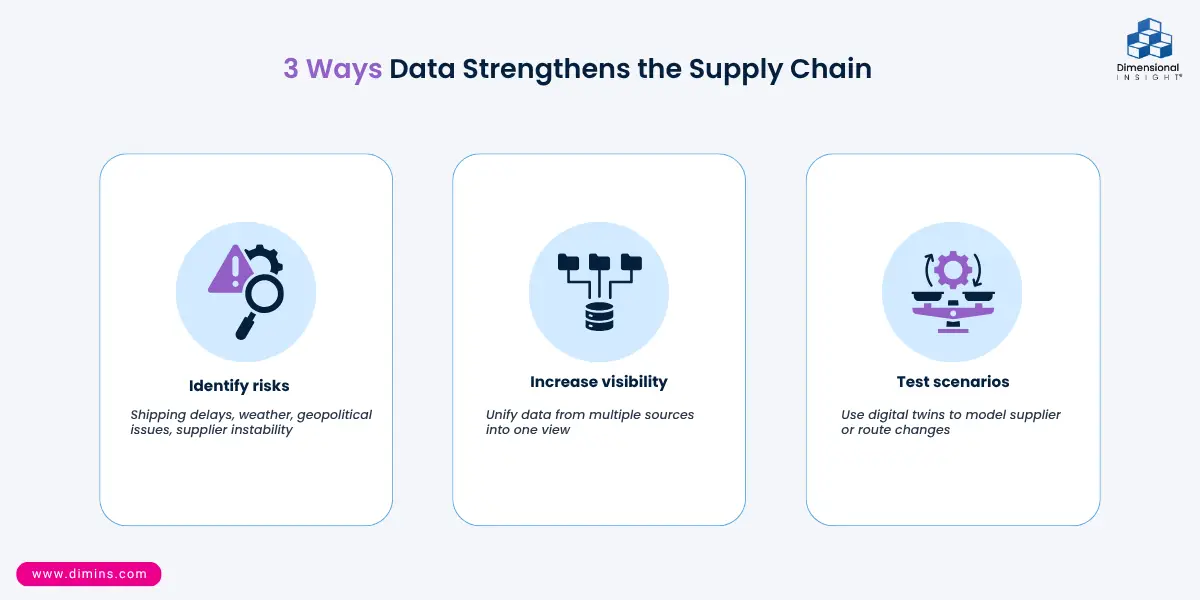
One thing the pandemic did was make organizations more aware of their supply chains from top to bottom. It often is not a complete failure of the supply chain that sets a company back. Instead, it is often one small piece that wasn’t supplied at the right time from one place within the supply chain that caused the whole operation to be delayed. That led to companies seeking greater transparency in order to always have a full picture of what they are working with.
It is also important to know the financial health of the companies they are working with. Sometimes it is not a failure of production that can cause a supply chain issue, but the failure of a company that can cause an organization to scramble to find a replacement. By knowing as much as you can about the suppliers you are working with, you are putting yourself in the best position to succeed.
How can analytics make a difference?
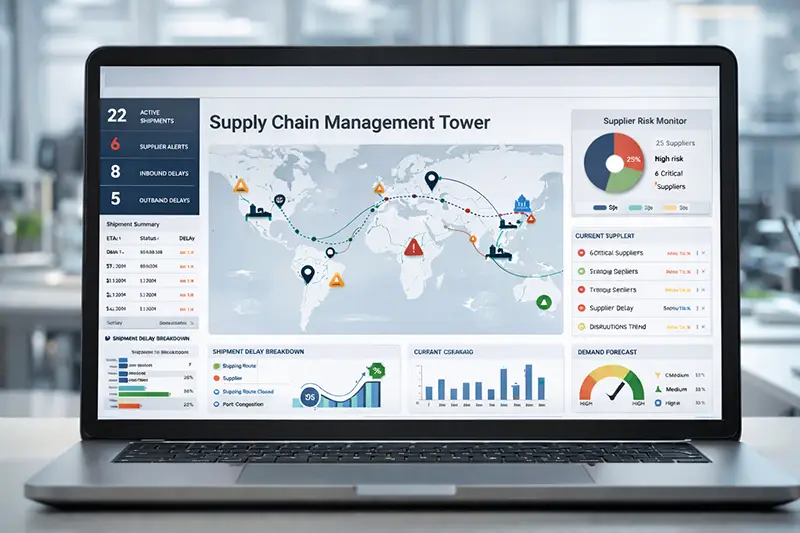
It is impossible to do any of this without an analytics solution. The right analytics solution can work with you to set parameters that can help identify financial risk levels for all suppliers within your supply chain. The solution needs to be able to bring together data from disparate sources, some spaced out around the world, and create one single version of truth that can help an organization measure each supplier using its own terms.
Many organizations use data to get full transparency into their supply chain by creating a digital twin. Using this model, they are able to run different scenarios to get an understanding of possible inefficiencies and identify where improvements can be made. Digital twins can be created to assess supply chains with and without certain suppliers, depending on that level of risk. A flexible solution can give organizations the option to break down their supply chains in multiple ways, with the ability to filter on more than one parameter at a time.
Suppliers might balk at sharing their financial information, but organizations can benefit in the long run by having a set policy whenever they work with a new supplier. Whether it’s by instituting an NDA or just clearly expressing why your company needs the information, there are ways to work together to get the data that can allow your organization to feel comfortable working with suppliers you may not know a lot about. It also establishes a sense of trust right from the beginning of the relationship. That’s fitting because the best business intelligence solutions also form a relationship built on trust right from the start.

- What Election Predictions Can Teach Us About Data Analytics - October 22, 2026
- Data can Lead the Way for Tuition Decisions - October 15, 2026
- Proper Data Governance Prevents Data Slop - October 8, 2026