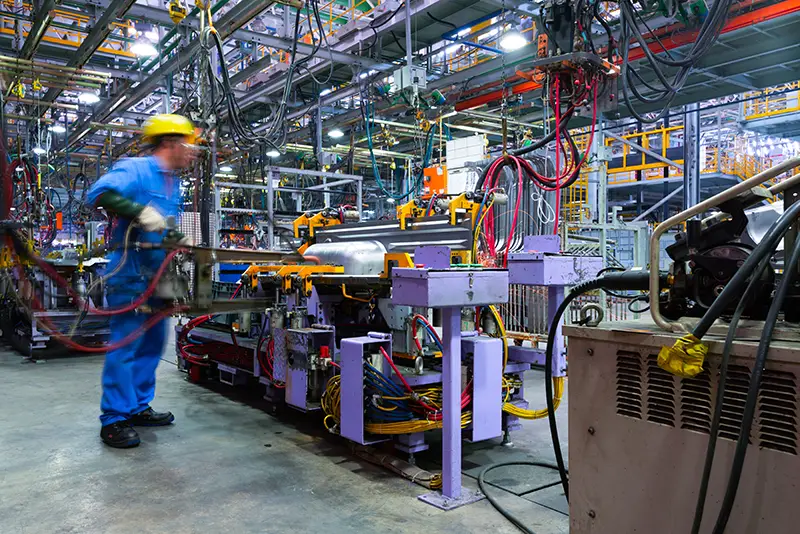
Like any other business, organizations in the automotive industry are constantly working with data. The vehicles themselves are recording all kinds of information, from how people drive to how vehicles perform. The data by itself is interesting to look at.
It’s what organizations do with the data, though, that can really make a difference. Recently we told you how some of this data can be used to help make streets safer. The information can be used to make better business decisions too. Here’s a look at how that can happen, and how that can translate from the auto industry to your organization as well.
Data in the automotive industry
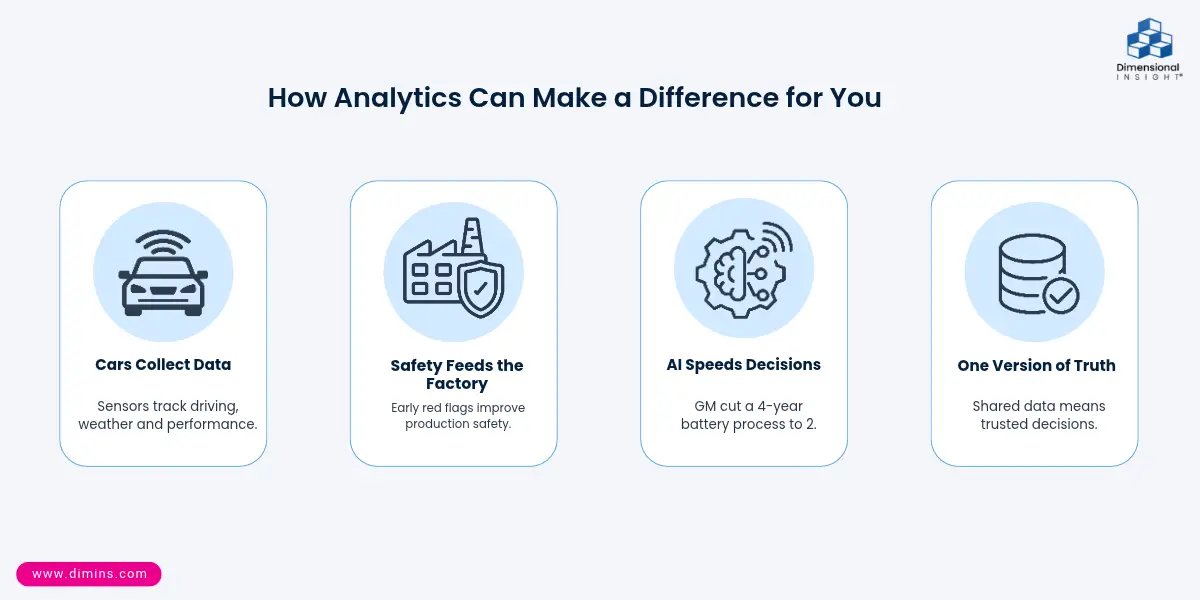
Cars are data-gathering machines, and automakers use as much of the information as they possibly can. Navigational data, weather and road conditions, and in-vehicle sensors can be used to understand how cars handle in certain environments. Companies can gather insights on everything from braking and engine performance to overall vehicle performance and safety. They also gather data on car maintenance and other marketing and purchasing information to target customers.
A lot of the safety data is put to use in manufacturing. Sometimes that information is what leads to a safety recall. A lot of the time, though, it makes its way back to the factory floor. Any red flags that are identified early can improve safety in production overall. This is especially true as companies work on developing autonomous vehicles.
Using the data to make decisions
Car companies also use the data they have available to make better business decisions. General Motors, for example, is working to “develop better products faster at lower costs.” The automaker is using artificial intelligence to cut in half the time it takes to design a new vehicle, and it is also overhauling the computer systems in its cars and cutting the cost of electric vehicle batteries. All of the moves are seen as efforts to compete with Chinese car makers. The Chinese companies have quickly introduced new models that all feature the latest technology, and while GM does not compete with China within America’s borders, they know they need to keep up in terms of international sales.
GM is working on new electric vehicles that will be cheaper and travel farther, and it is using AI to develop the batteries that will power those cars. The AI cuts to just two years a process that would normally take double that, evaluating hundreds of thousands of possible combinations of components. Another decision the company made is bringing all of the computing functions of its cars together into one single device, cutting costs and using fewer materials.
How analytics can make a difference for you
The amount of data in any organization can be overwhelming. The key is finding areas to target and work from there to figure out how to use the data to inform decisions. For GM, figuring out a way to get products made more quickly and cheaply were motivating factors. The consolidation of the technology decision was also a way to make the company less susceptible to the chip shortages that plagued car makers during the pandemic, so streamlining operations was another issue the company sought to address. It is important to involve stakeholders throughout an organization to figure out which issues need to be addressed, and to zero in on the appropriate data that can help solve those issues.
This is not exclusive to automakers. Organizations in any industry can follow that same process and make similar decisions revolving around more efficient processes and ways to save money. In order to turn data into actionable information, though, you need the right tool. A flexible analytics solution, such as Dimensional Insight’s Diver Platform, can bring together the relevant data from across an organization, creating one single version of truth that ensures all stakeholders are looking at the same information, allowing decisions to be made from a trusted source. It can also handle a variety of operations, whether it is on the financial side or manufacturing, for example, and can grow with your organization as your needs change and new issues arise.
A business without analytics is like a car stuck in neutral. You may be doing all you can do to get things moving in the right direction, but you’re not going to get the right parts to click and you’ll be going nowhere. Data can help you shift into gear and get you on your way. Finding the right solution, though, can be the difference between simply reaching an end point and achieving the goals you hoped for. It’s a partnership that can then continue to the next destination and beyond.

- How Data Drives Automotive Manufacturing - November 5, 2026
- Supply Chain Data Informs New York City’s Incentive Program - October 29, 2026
- What Election Predictions Can Teach Us About Data Analytics - October 22, 2026