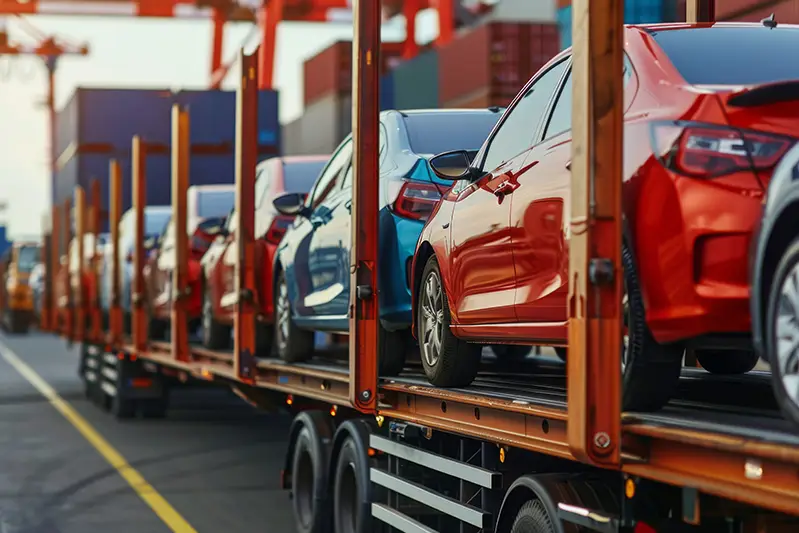
Many organizations have learned important lessons over the past few years about how to adjust their supply chain routines when a disruption occurs. Among the many negative impacts of the latest conflict in the Middle East is a rise in fuel costs, coupled with the fact that shipping vessels need to change their routes.
While organizations might not have prepared for this exact scenario, the ones that use data to put themselves in the best position to handle disruptions are ahead of the game. They can make quick decisions based on the information they’ve gathered over the years to pivot where they can, whether in this case that involves finding more efficient routes or using different transportation and shipping options altogether. Analytics solutions can save organizations time and money when they are used correctly. Here are a couple more instances where organizations can use analytics to be more efficient.
How are organizations getting supply chain data faster?
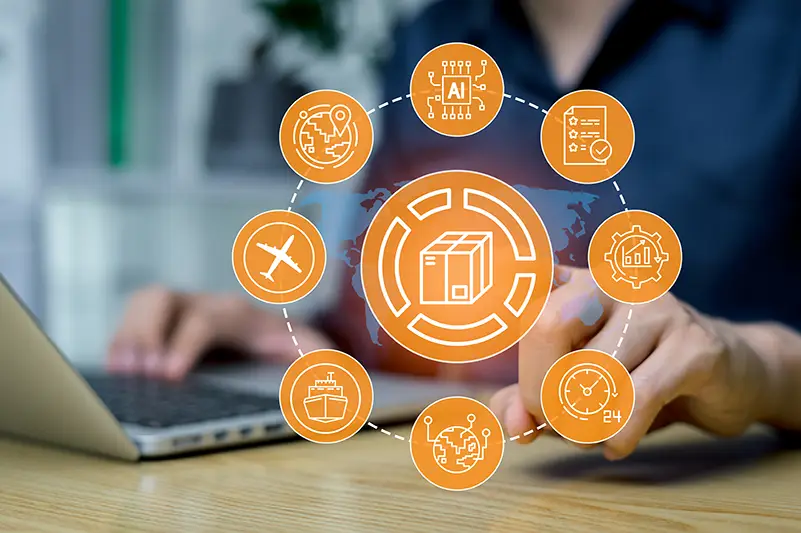
Organizations are using more automation in warehouses to get tasks done more quickly. What used to be the domain of only big businesses is now making its way to small businesses as well. They are using automation for tasks such as parcel sorting and sequencing, and with every technological advancement, the possibilities increase for both big and small businesses. Kroger, for one example, has begun using drones for inventory in its sub-freezing cold chain distribution operations.
When it comes to the data, the obvious benefits are the fact that the information can be collected more quickly and more often than before. In Kroger’s case, people don’t have to be sent in to sub-freezing environments to do their work, and more reliable data can be gathered on short shelf-life goods, with the drones working more quickly than full physical counts. There is other data being collected on the processes themselves. Organizations are not spending money on these types of robotics without getting some kind of benefit in return. They are calculating time and money saved to ensure their investments are paying off.
What can analytics do for supply chain reporting?
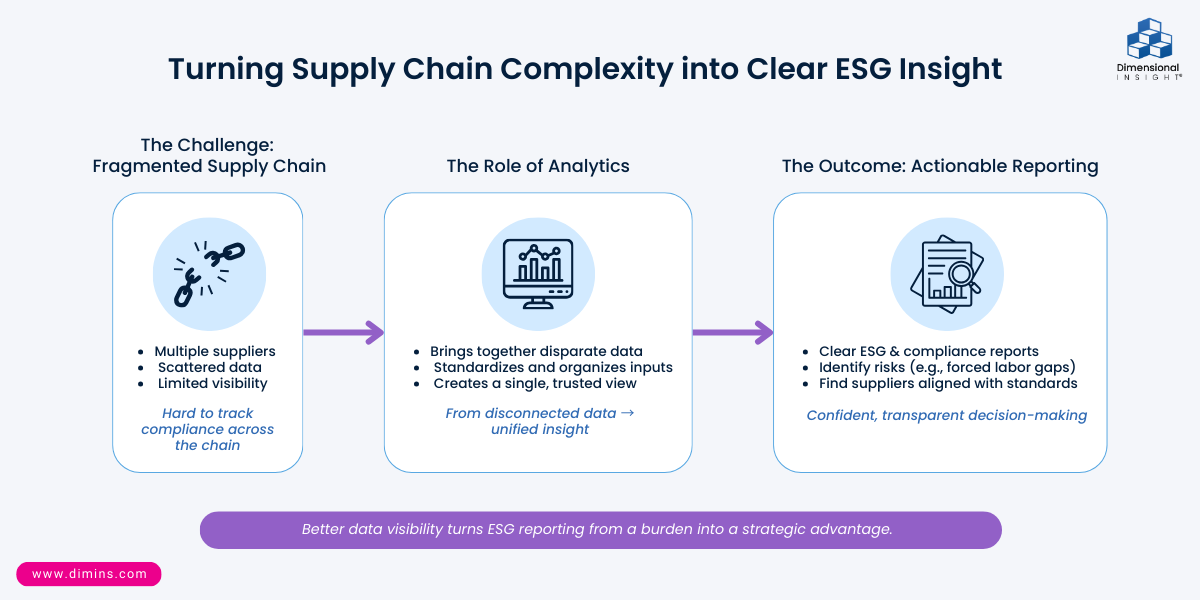
Whether it’s related to sustainability efforts or any other aspect of ESG compliance, one of the benefits of working with an analytics solution is making regulatory reporting easier. Part of what makes the process difficult is how complex the supply chain can be in some organizations. A recent report found that in the food and beverage industry, 45 of the largest companies in the world scored low marks when it comes to efforts to prevent and address forced labor. While some of the issue is what companies don’t want to report when it comes to responsible purchasing practices, in other cases it’s not being able to corral the necessary data.
If companies are taken at their word, the results are promising – 91% of the companies polled in the report say they have a supplier code of conduct prohibiting forced labor. A commitment to following through was tougher to nail down unless companies were headquartered in areas that imposed consequences, such as enforcing import bans. Either way, data can help. For organizations producing reports about their suppliers, the right analytics solution can take all of the disparate data and produce customized reports that make it easy to see what conditions are or are not being met. For organizations trying to vet their links in the chain, they can search certain criteria to find out which suppliers meet their standards so that they know they are working with organizations that share their values.
Why do organizations need an analytics solution?
Supply chain organizations rely on end-to-end visibility, whether they are trying to figure out the ethical practices at the facility where their materials originate or tracking the efficiency of their inventory gathering before products are shipped out. The right analytics solution can provide that kind of transparency, integrating data that may be spread out among different systems throughout an organization. Leaders can then make decisions knowing everyone is using one single source of truth.
When it comes to the kind of risk that world conflicts bring into the supply chain industry, data is what helps companies adjust. While analytics may not be able to predict the exact disruption that is likely to force change, it can help to quickly lay out alternative scenarios and give decision-makers the options they need to move forward. This is also where scalability comes into play. What works in one instance may not be necessary in the next. A solution that is able to adjust to meet the changing needs of your organization is important so that the next time you turn to the data you aren’t starting from scratch.

- An Election Year Puts the Spotlight on the Energy Industry - April 2, 2026
- How Data Helps Improve Accessibility - March 26, 2026
- Data Helps Supply Chain Leaders Make Pivotal Decisions - March 19, 2026