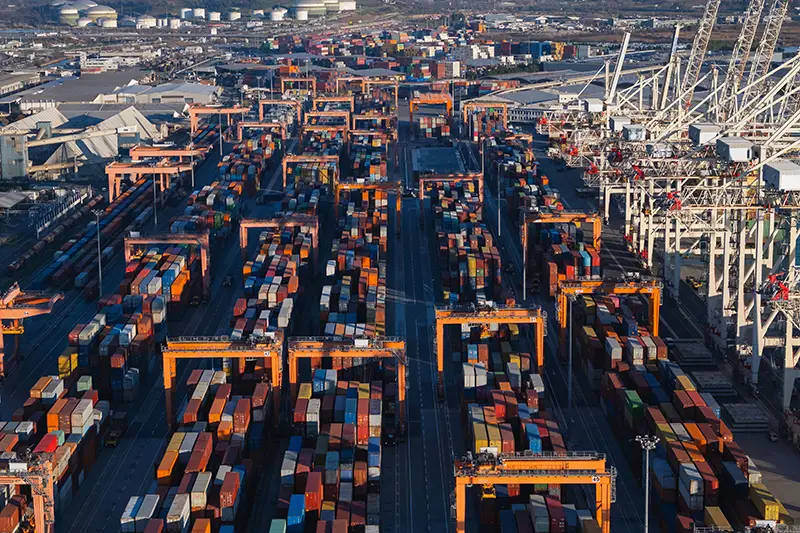
In 2025, organizations in the supply chain industry were ringing in the new year as they tried to figure out how proposed new tariffs would impact their work. Many companies spent the early part of the year bringing in products ahead of tariff implementation dates in order to maintain inventory strength without being affected by extra costs.
Every new year brings with it new challenges and the need to adjust. Sometimes organizations have time to prepare and act, such as with the tariffs, where it took months before any changes were made. But sometimes all companies can do is react to something unexpected. Here’s what organizations may face in 2026, and how analytics can help them stay one step ahead.

What is the biggest threat to supply chains in 2026?
One of the most difficult issues organizations face in any given year is the unknown. Companies might not know exactly what will become a problem, but they can at least anticipate the most likely area for that unknown issue to occur. In 2026, a lot of the focus is on the geopolitical world, and how the conflicts between countries in different parts of the world could potentially impact the movement of goods. Expect companies to do a lot of work looking at every link within their supply chain to try to identify any potential areas where a small problem could turn into a major roadblock for the rest of the organization. If there are opportunities to move certain operations closer to home, this is the time organizations may do just that.
What can companies do to avoid these roadblocks?
Companies have learned through so many disruptions over the past five years or so that you can never have enough flexibility in your supply chain, and that is something that is likely to continue to prove valuable in 2026. One trend experts are identifying is the prioritization of cost optimizing, which is always important to companies, but is likely to play an important role in the upcoming year. Experts predict that due to fluctuating trade and economic factors, costs are expected to rise, while consumer spending will decline. Moody’s Ratings predicts a softening labor market could result in decreased spending in 2026.
Organizations are constantly assessing transportation costs, but sometimes fall into the trap of sticking with shipping methods they are comfortable with to get their products or materials where they want them to be. In 2026 experts stress the importance of modal flexibility to optimize supply chains. In order to take advantage of the best transportation rates, companies may need to shift between ocean, air, and other modes of transport more than usual.
What can analytics do?
How will organizations know when it’s the right time to make a move? That’s where analytics comes in. Any organization making these types of decisions without looking at the data is just doing guesswork. The right analytics solution brings together all of the relevant data so that organizations can make the kinds of decisions that will help optimize costs and keep your supply chain working efficiently.
Tom Fairbairn, an engineer at the Canadian technology company Solace, put it perfectly in an interview with Supply Chain Digital: “Businesses need to move faster than the disruption.” With so much potential volatility in the industry, organizations need to always be on their proverbial toes. The way to make the types of decisions that allow companies to move faster than the disruption is by using data.
The right analytics solution for your company is one that is flexible enough to address all of your needs, whether that is how best to transport materials or how to find efficiencies in operations earlier in the supply chain. One single version of the truth allows all users across the organization to work with the same data on any device, helping the business to stay ahead of the disruption with data everyone can trust.
When the calendar page turns, organizations have a sense of some new challenges that lie ahead. A year ago, they were able to take steps to prepare for the tariffs that seemed inevitable. But new issues crop up every day, and the only way for organizations to move faster than these types of disruptions is by using analytics. By using all of the available data to make the most informed decisions, companies put themselves in the best position to succeed, whether those unexpected disruptions happen or not.

- What Election Predictions Can Teach Us About Data Analytics - October 22, 2026
- Data can Lead the Way for Tuition Decisions - October 15, 2026
- Proper Data Governance Prevents Data Slop - October 8, 2026