
Data can serve different purposes for different organizations. Many organizations acquire an analytics solution to develop a plan for their own data, using the information to help achieve specific goals they might have. Sometimes, though, other useful data appears that organizations might want to use. In this case, they need to make an adjustment.
This will often happen with publicly available research data. Such is the case with a project out of Brown University. While organizations might find the data useful for their own purposes, they need to be well-positioned with a business intelligence solution that can handle information from a different source. Let’s examine the kind of data available, and how an analytics solution can help organizations take advantage of any data they can get their hands on.
What is NEST?
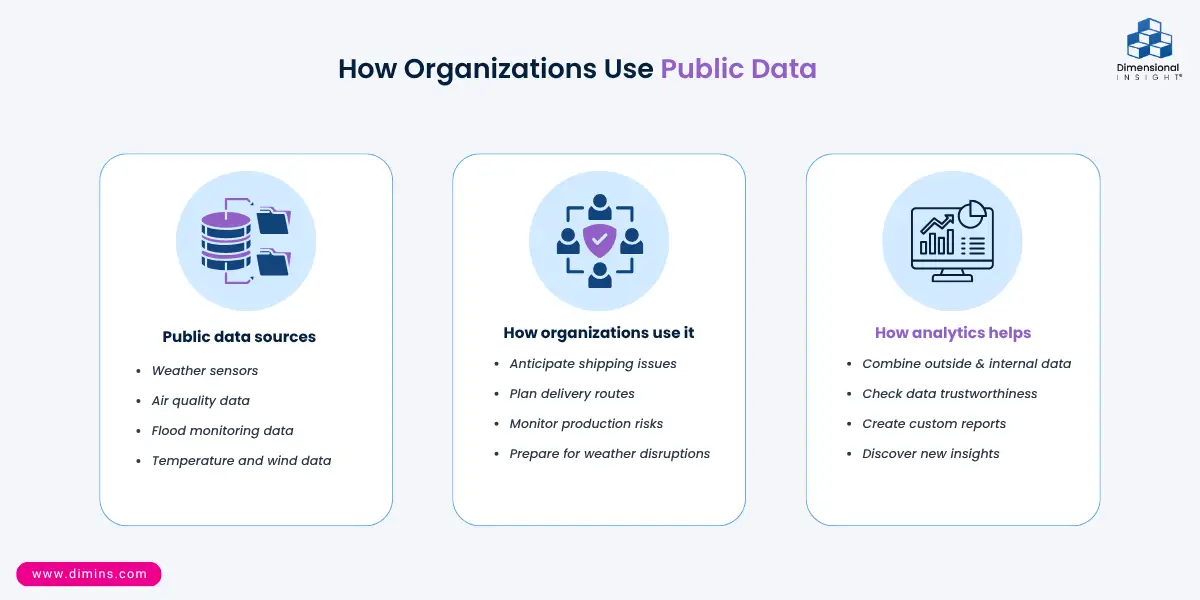
Brown University’s Rhode Island Network for Environmental Sensing & Technology (NEST) uses sensors to gather weather and environmental data. The sensors provide real-time information related to flood management, air quality, temperature, and wind. According to the website, researchers use the information “to enable robust emergency management, enhance environmental justice initiatives, and [drive] innovation.”
The site includes a dashboard showing the location of the sensors, which are mostly in Rhode Island but include a few scattered along the coasts of Massachusetts and Maine. Users can filter through air temperature, wind, and air quality, or they can compare different sensors. Clicking on sensors can provide more detail, including how often the sensors update. All the information can be exported.
How can organizations use weather data?
Weather data falls in the category of information that can be used by many different people for many different reasons. One of NEST’s primary purposes is to use the real-time information it gathers about air quality or flood thresholds to provide instant alerts to residents or emergency managers. NEST is just one of many publicly available sources of weather data. The sources can range from the everyday apps people use to check the forecast to more complex, layered information that can be used for planning more than just whether you need to bring your raincoat and an umbrella to work.
Organizations can use this data to anticipate shipping issues, or to plan shipping routes. Weather conditions can affect the earliest days of production, whether that is in terms of agriculture and how temperatures or precipitation will affect crops, or whether extreme weather is impacting other modes of production. Weather can have an impact on planning sporting events, or whether a construction project needs to be delayed.
How can an analytics solution help?
The first thing to keep in mind when considering using publicly available data is whether that data can be trusted. When organizations are dealing with their own data coming from their own sources, they don’t have to worry as much whether the information is true, or they at least have control over the sources in order to double check. When it comes to pulling information from another source, it might take a little more legwork to make sure the information is trustworthy, and whether the way the data is measured aligns with your understanding of the information.
It is imperative you have an analytics solution that can bring together data from disparate sources, not just one that works with the equipment you are using. If it can’t bring in outside data in a way that makes it comparable to your own data, it makes your job harder instead of easier, which is what it is meant to do. Once you have data that you can trust in your own system, you can move on to reporting. The right analytics solution can provide customized reporting, allowing you to make decisions by looking at the data from all sources, including those pieces of data that came from publicly available research.
Sometimes with data you discover information that you didn’t know you needed until you actually see it. It isn’t something that is lacking in your own work, but instead is something that works perfectly with the information you have, allowing you to make new insights and explore different possibilities than you may have previously considered. That’s the kind of discovery that can help push a business past a competitor or simply grow beyond what your own data might have deemed possible. In order to take advantage of that instance, though, you need a flexible analytics solution that can help you take the next step with that data.


- What Election Predictions Can Teach Us About Data Analytics - October 22, 2026
- Data can Lead the Way for Tuition Decisions - October 15, 2026
- Proper Data Governance Prevents Data Slop - October 8, 2026