The saying “one person’s trash is another person’s treasure” refers to those who find value in what other people may not. When it comes to waste management and analytics, one person’s trash is another person’s business…and data can be a big part of the success of that business.
There are many opportunities for data collection in the waste management industry, and different companies use those data points in many different ways. Let’s take a look at some of the ways organizations collect data about waste, and how they can use that information to improve the service they provide to customers while also working towards environmental sustainability.
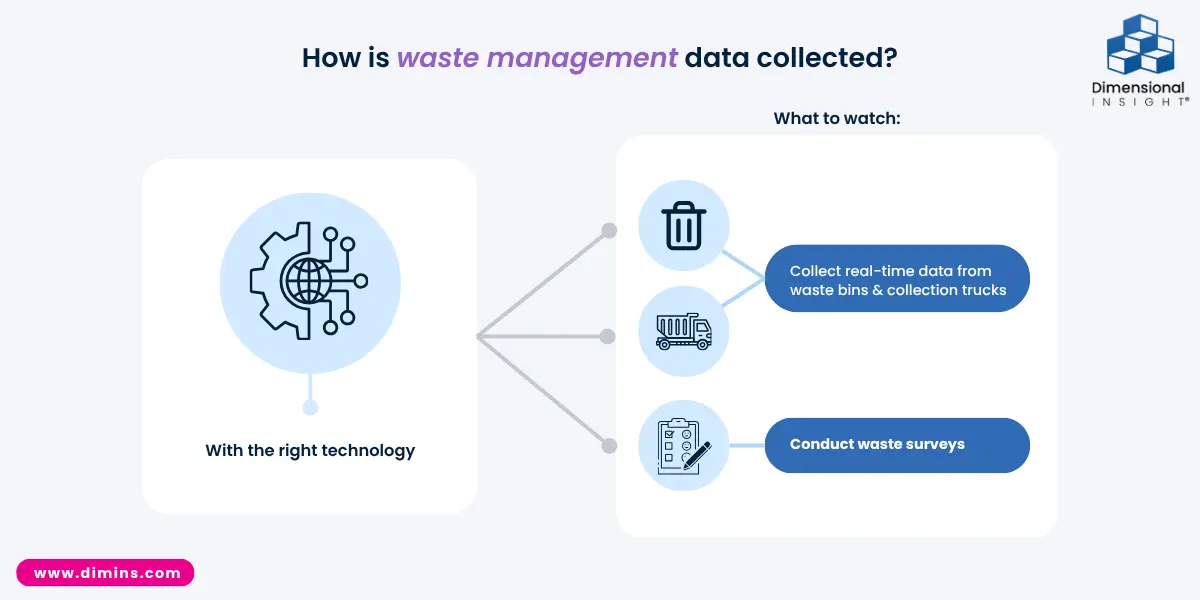
How is waste management data collected?
With the right technology, companies can collect real-time data from waste bins and collection trucks. Sensors can monitor fill levels, which can help prevent trash overflow or, on the other end of the spectrum, unnecessary pickups.
Some organizations conduct waste surveys, where they gather data about behaviors and preferences. This can help identify opportunities for waste reduction or recycling, or help improve service based on the concerns of residents and businesses.
Why does data matter for waste management?
Despite the fact that waste is a key part of the waste management business…there are certain types of waste companies don’t want. Scheduling more pickups than are necessary is a waste of resources for collection companies, and for the organizations paying for the service, it is a waste of money. Data helps make the most of everyone’s time and money.
Similarly, as organizations make more of an effort to decrease their environmental footprint, whether that is due to government regulations or their own ethical concerns, they become more reliant on data to help ensure compliance. Companies can monitor their trash amounts in an effort to decrease waste, and collection companies can monitor routes and collection frequency to help track emissions from their vehicles.
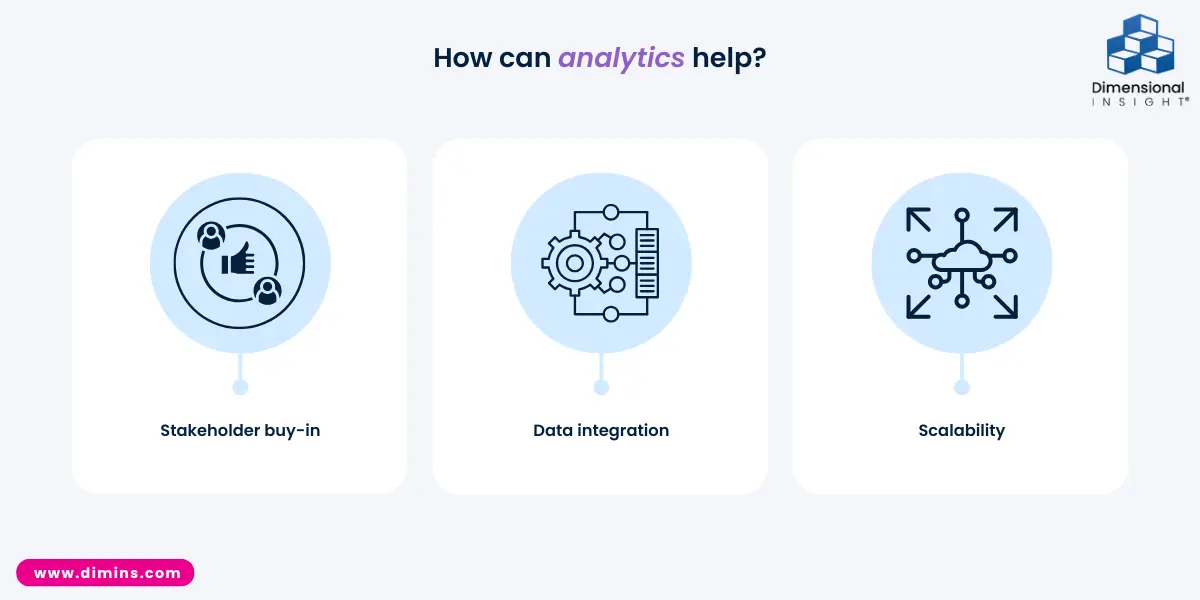
How can analytics help?
Analytics is key to any business, whether it is trying to reduce physical waste or fiscal waste. An analytics solution can help decision-makers identify inefficiencies that can save time and money. There are important considerations an organization must take into account when deciding on the analytics solution that can help them achieve their goals:
- Stakeholder buy-in: Organizations that have the most success with technological transformations are the ones that get buy-in from all stakeholders from the start. By including everyone who works with the data in any way, organizations not only increase the chances the technology will be used successfully by those stakeholders, they can anticipate any issues that might come up at any stage of the transition.
- Data integration: One of the biggest problems that organizations face when they look for a business intelligence solution is the inability to bring together data from disparate sources. Being able to integrate the data seamlessly leads to trust in the data. It is imperative that users can trust that the information they have is the same information everyone is using across the organization. To ensure that kind of truth in data, organizations need to make sure they have an analytics solution that can work with a variety of data sources, such as Dimensional Insight’s Diver Platform.
- Scalability: Needs change over time. Just because a solution fits an organization’s needs at the time of purchase doesn’t mean it will be address new issues that develop over time, or any new initiatives an organization might decide to pursue. The best providers don’t just offer an analytics solution – they form a partnership that can develop over time to make sure an organization can continue to grow.
Most organizations have more data than they need in order to make better decisions. The right analytics solution can help separate the data that matters from the data that can be left for the scrap heap. When it comes to trash, sometimes beauty is in the eye of the beholder – it is subjectivity that determines if it is trash or treasure. But when it comes to analytics, the results are much more objective: anyone can see how important data is to success.


- Data can Lead the Way for Tuition Decisions - October 15, 2026
- Proper Data Governance Prevents Data Slop - October 8, 2026
- Tracking Shipping Price Changes with Analytics - October 1, 2026