If you want to understand what’s really happening in the spirits industry, spend time in a bar.
Not in a boardroom. Not just looking at spreadsheets.
Stand near the bar and watch what people order. Listen to how bartenders talk about brands. Pay attention to which stories spark curiosity—and which ones don’t.
Because that’s where spirits brands are actually built.
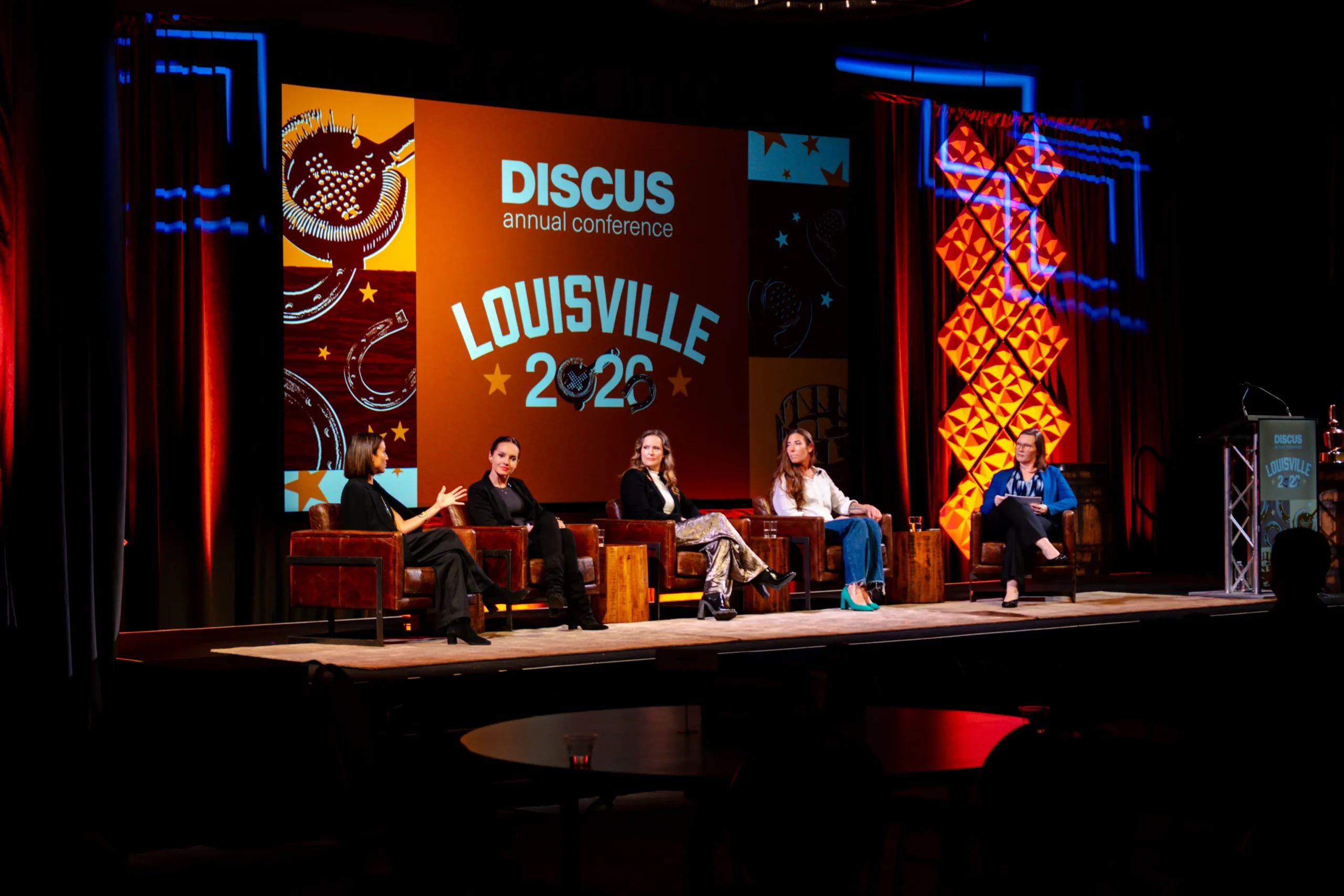
At the recent DISCUS Conference, I had the opportunity to moderate a panel on “Crafting the Customer Experience: On-Premise Spirits Innovation.” The conversation focused on one simple question:
What actually drives spirits sales in bars and restaurants today?
Joining me on the panel were:
- Jessamine McLellan, Director of Campari Academy & Trade Advocacy, Campari America
- Miranda Breedlove, Beverage Director, Hyatt Lifestyle Group
- Monica Caron, VP of Supplier Partnerships, Provi
- Ashley Sayler, Owner, CASK Southern Kitchen & Bar and International Catering LLC
Each panelist brought a different perspective—from hospitality operations to supplier partnerships to beverage data platforms. But several themes kept coming up: bartender influence, guest experience, supplier relationships, and the growing role of data.
Key Takeaways from the DISCUS Panel
Several themes emerged from our discussion about how spirits brands succeed in bars and restaurants today:
- Bartenders drive discovery. Their recommendations strongly influence what guests order.
- Guest experience matters. Storytelling and education turn drinks into memorable moments.
- Consumers are drinking more intentionally. Premium spirits and alcohol-free cocktails are growing trends.
- Supplier partnerships shape beverage programs. Operators favor brands that invest in staff education and relationships.
- Data is becoming a strategic advantage. Analytics and digital marketplace insights help identify emerging trends.
Together, these factors explain why the on-premise channel remains the most powerful environment for building spirits brands.
What Is On-Premise Spirits Sales?
On-premise spirits sales refer to alcoholic beverages purchased and consumed at hospitality venues such as bars, restaurants, hotels, and nightclubs.
This channel plays a critical role in brand discovery because bartenders introduce guests to new spirits, cocktails, and categories in real time.
While off-premise retail drives volume, the on-premise environment is where many consumers first experience a brand.

Why Bartenders Influence Spirits Sales
How do bartenders influence spirits sales?
Bartenders influence spirits sales because they are the final recommendation point before a guest orders a drink. Guests frequently ask bartenders what they recommend, and those suggestions often determine which spirits consumers try for the first time.
During the discussion, Jessamine McLellan summarized what bartenders want from spirits brands: “Bartenders want two things from spirits brands: products they’re proud to serve and brands that invest in their careers.”
Education plays a huge role here. Training sessions, tastings, and distillery visits all help bartenders build confidence in recommending a spirit. When bartenders feel invested in a brand, they become advocates. And that advocacy drives trial.
Guest Experience Drives Beverage Programs
Today’s guests aren’t simply ordering drinks—they’re looking for experiences.
Ashley Sayler, owner of CASK Southern Kitchen & Bar in Kentucky, talked about how supplier partnerships help create those experiences behind the bar.
When brand representatives take the time to educate staff, host tastings, or explain the story behind a spirit, it energizes the entire team. That excitement carries over to guests.
People want to know:
- where a spirit comes from
- how it’s made
- what makes it unique
Authentic storytelling helps turn a drink into something memorable.
How Consumer Drinking Habits Are Changing
How are consumer drinking habits evolving?
Consumers are increasingly drinking more intentionally—choosing higher-quality spirits, exploring new categories, and seeking thoughtful beverage experiences.
Several trends are shaping beverage programs:
- Premiumization: Guests are willing to spend more on distinctive spirits and cocktails.
- Non-Alcoholic and Low-ABV Options: Alcohol-free cocktails are becoming essential menu items. Hospitality groups are increasingly designing beverage programs that include appealing options for every guest.
- Curiosity and Exploration: Consumers are more open to trying unfamiliar spirits and cocktail styles than they were even a few years ago.
For operators, that means creating menus that encourage discovery.
What Makes Supplier Partnerships Successful
What makes supplier partnerships work in hospitality?
Successful supplier partnerships are built on education, trust, and long-term relationships—not just product placement.
From the operator perspective, the suppliers who stand out typically:
- understand the venue’s concept and guests
- invest in staff training and education
- build relationships with hospitality teams
- show up consistently
Miranda Breedlove explained that suppliers who take the time to understand the specific concept of a property are much more likely to build lasting partnerships.
Ashley also noted that many operators still remember which suppliers supported restaurants during the pandemic. Those relationships continue to shape beverage programs today.
Hospitality is fundamentally a relationship industry.
How Data Is Changing On-Premise Beverage Strategy
How does data help beverage programs succeed?
Data helps beverage programs succeed by revealing product mix trends, regional demand patterns, and emerging consumer preferences.
Historically, spirits programs relied heavily on relationships and instinct. Those elements still matter—but analytics is becoming increasingly important.
Monica Caron shared that search activity on digital platforms can sometimes signal consumer trends before they appear in sales data.
Platforms like her company Provi provide insight into:
- product search behavior
- category trends
- retailer purchasing activity
- digital shelf engagement
Operators are also gaining more detailed insight into their own beverage programs.
Some hospitality groups can now analyze product performance by:
- property
- venue
- cocktail program
- bartender product mix
Analytics platforms like Dimensional Insight’s Diver Platform help distributors, suppliers, and operators turn beverage sales data into insights that support smarter decisions about inventory, menu design, and product strategy.
Why Authentic Brand Stories Still Matter
Even with the rise of analytics and digital tools, one factor continues to influence spirits sales: authenticity.
Guests respond to brands with real stories—about founders, production traditions, or regional heritage. But storytelling works best when it connects with the local community.
What resonates in Austin may differ from what resonates in Louisville or New York. Successful brands adapt their messaging to the communities they serve while staying true to their identity. When that balance works, the brand becomes part of the bar’s story—not just another bottle on the shelf.
Why This Matters for Spirits Brands
The DISCUS discussion reinforced several realities about the modern spirits market:
- The bar is still where brands are discovered.
- Bartender advocacy drives trial and loyalty.
- Guest experience shapes beverage choices.
- Supplier relationships influence beverage programs.
- Data is becoming essential for understanding consumer behavior.
For spirits brands looking to grow in the hospitality channel, success comes from combining relationships, storytelling, and data-driven insight.
And if there was one takeaway from our discussion, it’s this:
Great spirits programs aren’t built by brands alone. They’re built by the communities around the bar.
FAQ: On-Premise Spirits Strategy
What drives spirits sales in bars and restaurants?
Spirits sales in bars are driven primarily by bartender recommendations, guest experience, strong supplier partnerships, and data-informed beverage programs.
Why are bartenders important to spirits brands?
Bartenders influence thousands of drink decisions each year and often serve as the final recommendation point before a consumer chooses a spirit.
What trends are shaping the on-premise spirits market?
Major trends include premiumization, intentional drinking, growth in non-alcoholic cocktails, and increased use of analytics to guide beverage strategy.
Why is the on-premise channel important for spirits brands?
The on-premise channel is where consumers discover new spirits through bartender recommendations, cocktail programs, and brand storytelling.

- 10 Questions Every Healthcare Analytics RFP Should Ask - July 28, 2026
- We Have Epic. Why Are We Still Arguing About Our Numbers? - June 23, 2026
- Is Your Data AI-Ready? A Beverage Alcohol Assessment Guide - June 16, 2026