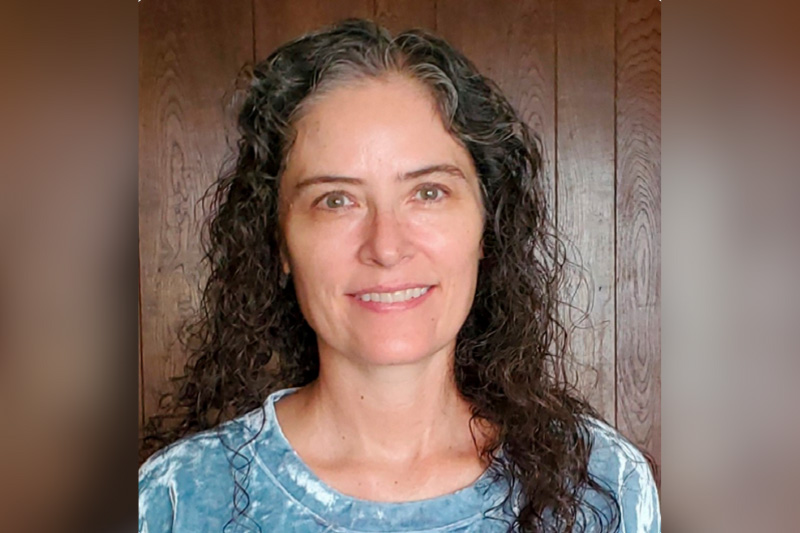
In this edition of Meet the Team, we’re spotlighting Chris Pitt, Technical Writer—one of the voices behind our Knowledge Forum. As a writer on our Education team, this doc-whisperer turns complex features into clear, usable guidance—everything from product documentation and release notes to technical updates and our annual user conference materials. He also coordinates our monthly Knowledge Forums, where teammates share new features, tips and tricks, and advanced use cases. With a background that blends technical writing and computer science (plus hands-on time as a software developer), Chris brings both empathy for the user and fluency in how the software actually works. The result? Documentation that’s organized, accurate, and genuinely helpful—aka the stuff that builds trust.
Q: Can you tell me a bit about what you do here?
I’m a writer on the Education team. That means that I write all kinds of things like our product documentation, release notes, technical updates, and materials for our yearly user conference. I also coordinate and plan our monthly Knowledge Forums, where DI employees get to wax rhapsodic about new features, tips and tricks, and advanced use cases for the software.
Q: How did your career path lead you to Dimensional Insight?
I always wanted to write, and when I got to college, I realized that as much as I enjoyed creative writing, I didn’t want it to be a profession. As a result, I pivoted to a specialized program focused on technical writing. In addition, I worked towards a minor in computer science, since having knowledge about software is a huge boost in being able to properly write about it. After college I worked as a software developer for years, travelled the U.S., and noticed that I kept being drawn towards documenting our processes. I realized that I wanted to actually do the job I trained for in college, so when my wife and I moved to Massachusetts, I applied with DI and the rest is history.
Q: What’s one piece of advice you’d give to someone new to technical writing?
Learn some amount of computer science. You don’t need an innate understanding of what happens under the hood, but if you were writing a manual about a car, you’d want to have a general understanding of what the engine does, what the transmission does, etc. Also, so much of the work of technical writing is in organizing information. You can write an amazing topic about something, but if it’s buried deep behind multiple parent topics or if it’s in the wrong spot in the table of contents, nobody will see it.
Q: In what ways do you collaborate with product teams, developers, or marketers?
I bother them in different and exciting ways. I bother developers because I rely on their explanations of a new feature to best document it. If that explanation is lacking, or out of date, or too complex, I need clarification. I bother product teams because they are advanced users, so when it comes to the processes (making a new feature do something cool and complicated), I need their knowledge to make better examples. I bother marketing because I take too long to write my “Meet the Team” document.
Q: How do you see technical writing contributing to building trust with our customers?
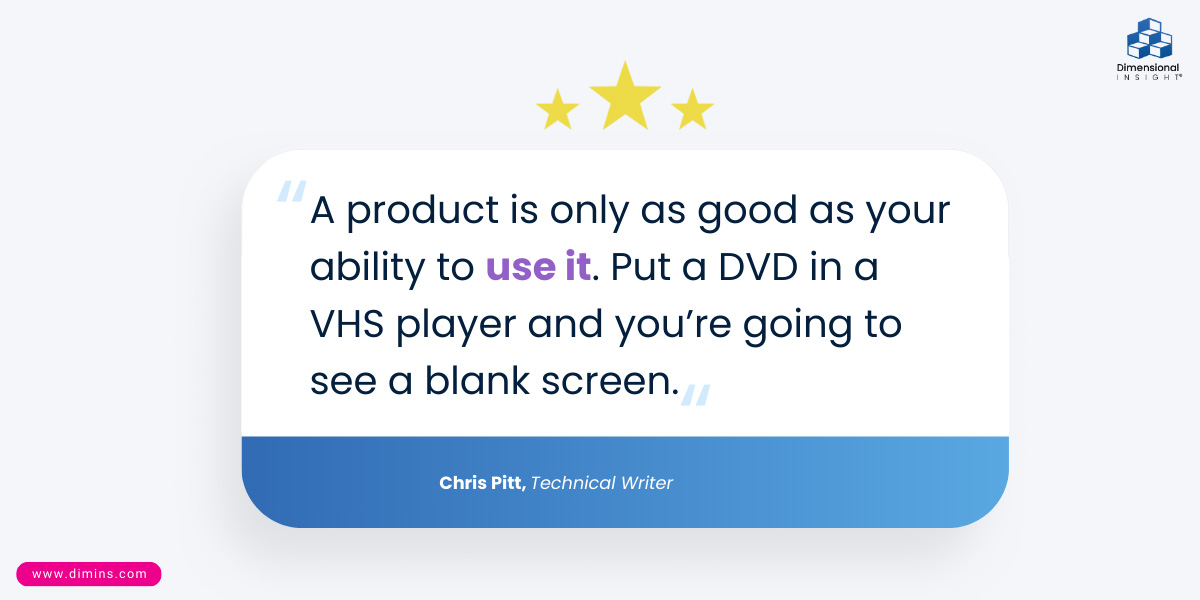
A product is only as good as your ability to use it. Put a DVD in a VHS player and you’re going to see a blank screen. For our customers to trust that our product is right for them and that it works for them, they need a rock solid, dependable knowledge base to work with. Additionally, our consultants who make the world go round need documentation to act as a reference point. If the consultant is struggling, the customer will struggle. They need to trust that our consultants can solve their toughest issues, and our consultants deserve to have the right tools at their disposal to earn and maintain that trust.
Q: What’s a project you’re particularly proud of, and why?
Probably the “Version Switcher”. If you go check out the documentation, you may notice that certain topics have an option to view the 7.0, 7.1, 7.2, and/or 8.0 versions, all depending on if the feature the topic covers is available in those versions. If there are significant differences between versions, that’s a great way to determine what’s different.
Q: What’s a fun fact about you that most of your coworkers wouldn’t guess?
I briefly volunteered with the author of Clifford the Big Red Dog when I was in school. I would wear a Clifford mascot outfit to readings he did and take photos with the kids.
Q: Outside of work, what are you passionate about or enjoy doing?
I love skiing, hiking, cooking and baking, Magic: the Gathering, and any type of boating. I have a lot of books (English major, comes with the title) and love spending time with my wife and our highly mischievous dachshund.
If you’ve ever toggled the documentation “Version Switcher,” joined a Knowledge Forum, or leaned on a how-to at just the right moment, you’ve felt Chris’s impact. His philosophy is simple: a great product only shines when people can actually use it—and great docs make that happen for customers and consultants alike. Outside the office, you’ll find him skiing, cooking, boating, and chasing a mischievous dachshund (occasionally while reminiscing about a stint as Clifford the Big Red Dog). Here’s to the clear words and thoughtful structure that help our users succeed.


- Stranger Data: Navigating the “Upside Down” of Analytics - December 4, 2025
- Meet the Dimensional Insight Team: Chris Pitt - August 14, 2025
- Meet the Dimensional Insight Team:Shaun Foaden - July 17, 2025