
What’s New on the Website
11.05.26
Press coverage
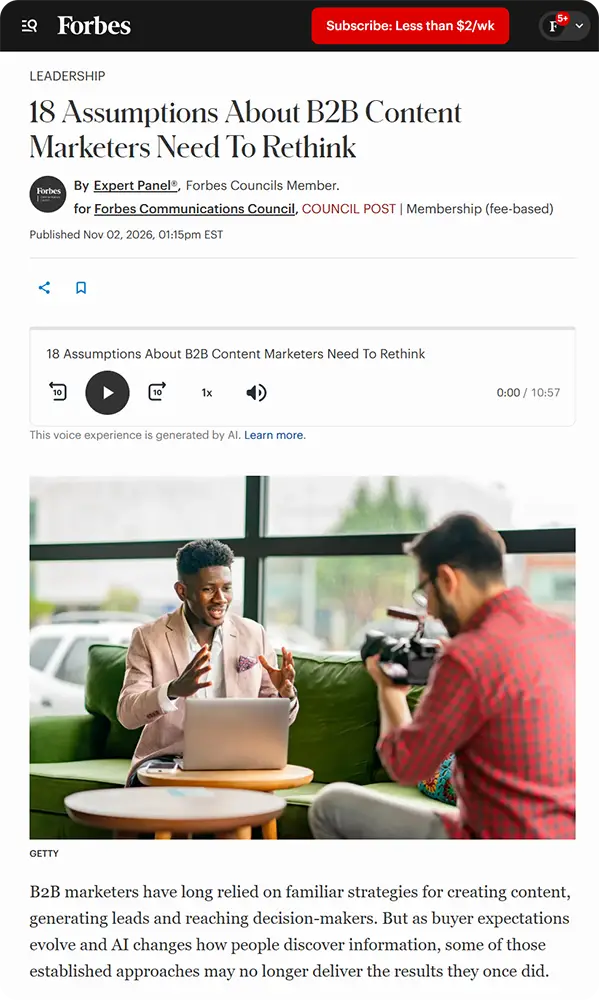
18 Assumptions About B2B Content Marketers Need To Rethink
11.04.26
Press coverage
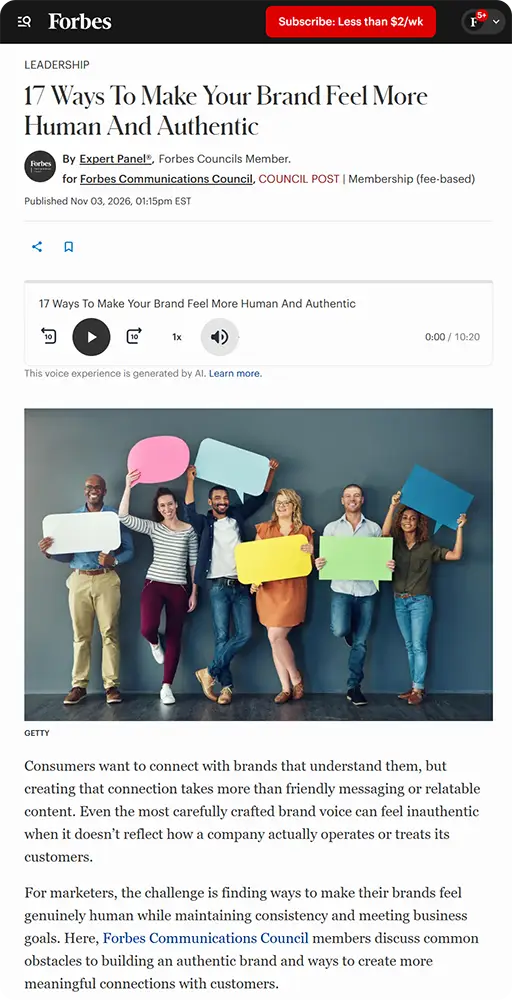
17 Ways To Make Your Brand Feel More Human And Authentic
10.29.26
New Episode of the Knowledge Forum!
- DivePort: Sankey Charts
- Using cPlans Instead of Measure Factory in DivePort
Watch new episode →
Press coverage
20 Skills Every Communications Professional Will Need By 2027

10.07.26
Press coverage
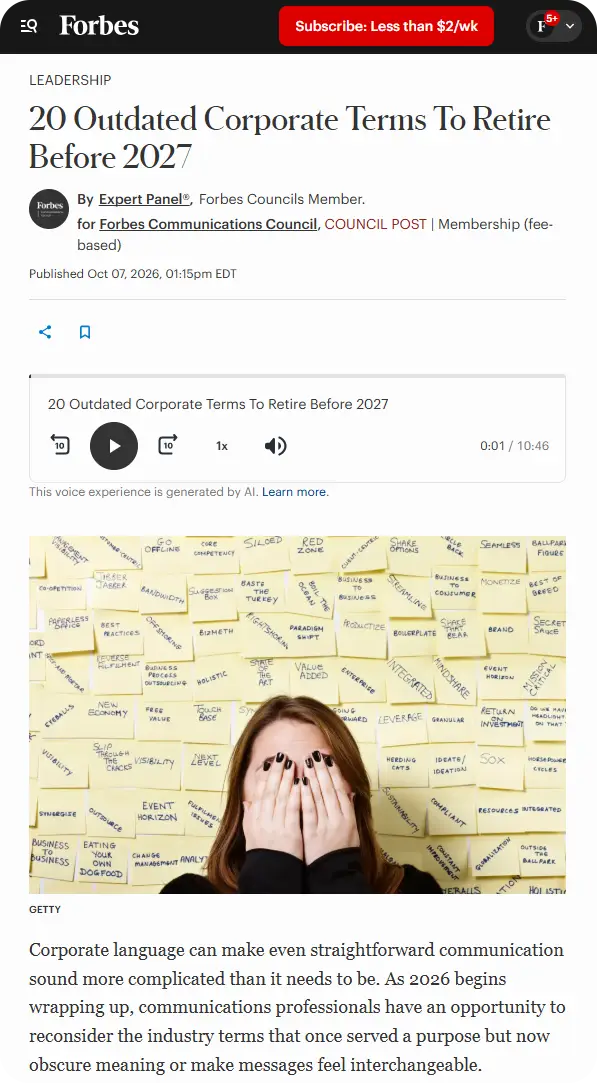
20 Outdated Corporate Terms To Retire Before 2027
Press coverage
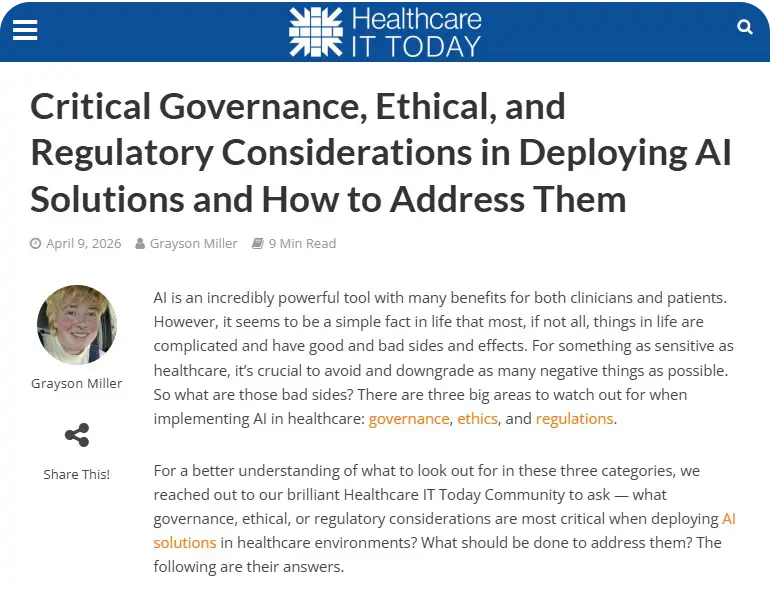
Critical Governance, Ethical, and Regulatory Considerations in Deploying AI Solutions and How to Address Them
04.01.26
Press coverage
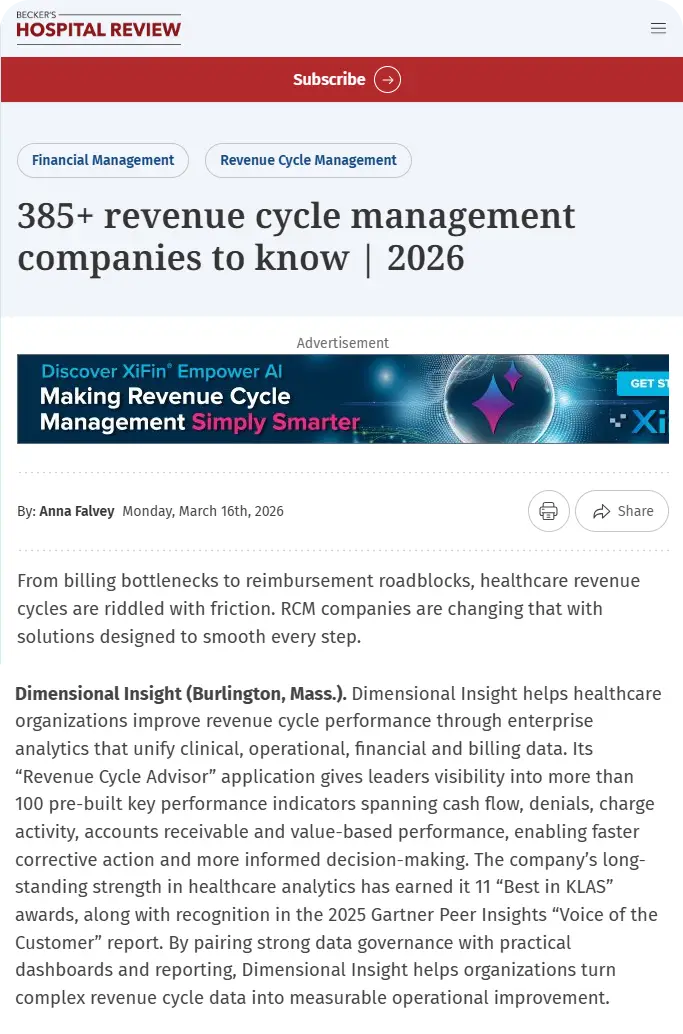
385+ revenue cycle management companies to know | 2026
03.31.26
Press coverage
AI Can Quickly Become a Confident Liar. Dimensional Insight Explains How to Prevent It.
Click to read the article
02.17.26
Press coverage
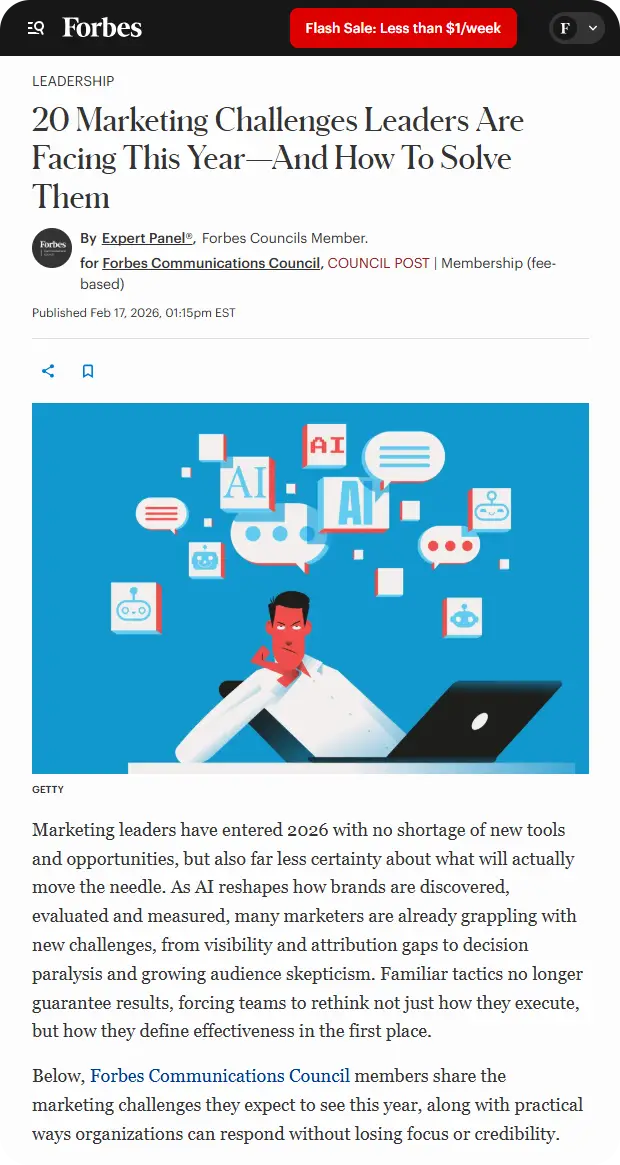
20 Marketing Challenges Leaders Are Facing This Year—And How To Solve Them
New Episode of the Knowledge Forum!
- DivePort: Controlling First-Load Behavior with Defaults
- Squashing vs. Diving: Comparing Spectre Flow and Spectre Dive
Watch new episode →
New Episode of the Knowledge Forum!
- DivePort Page Types
- Crosstab: Brand Analysis in NAVO
Watch new episode →
Press release
Dimensional Insight named a Strong Performer in the 2025 Voice of the Customer for Analytics and BI
Distinction in Gartner Report Is Based on Feedback and Ratings from End-User Professionals
Press release
Dimensional Insight Recognized in KLAS 2025 Consistent High Performers Report
Recognition underscores Dimensional Insight’s long-term commitment to trusted partnerships, measurable outcomes, and customer satisfaction in healthcare analytics
12.05.24
New Episode of the Knowledge Forum!
- Using Program Advisor
Watch new episode →
12.01.25
Press coverage
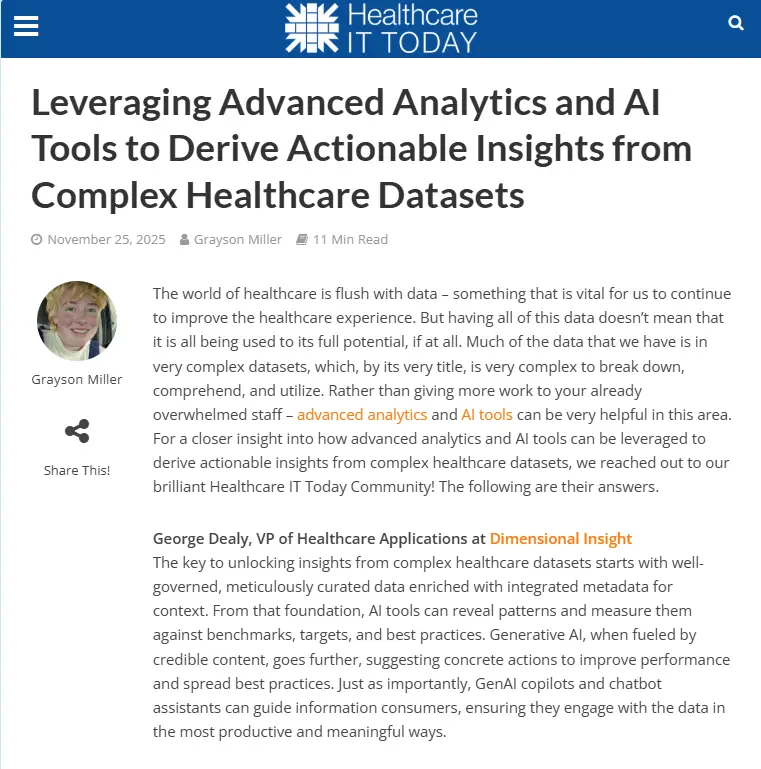
Leveraging Advanced Analytics and AI Tools to Derive Actionable Insights from Complex Healthcare Datasets
News Archive
2025
2024
2023
2022
2021
2020

How AI is Impacting Higher Education
Artificial intelligence (AI) is no longer a future consideration; it is rapidly becoming an essential component of higher education. However, this does not mean that colleges and universities are adequately prepared to integrate AI into their programs. While many students use AI on a regular basis, they often feel as though they are not receiving enough guidance to use these tools efficiently and responsibly.
As a result, they are more likely to misuse it, which has raised many concerns within institutions on how to implement appropriate policies to ensure academic integrity. The lack of trust in these platforms, despite their widespread prominence, emphasizes the importance of sufficient AI training to guarantee productivity over dishonesty, along with developing skills that will be applicable in future professional environments as well.
How is AI being used in higher education?
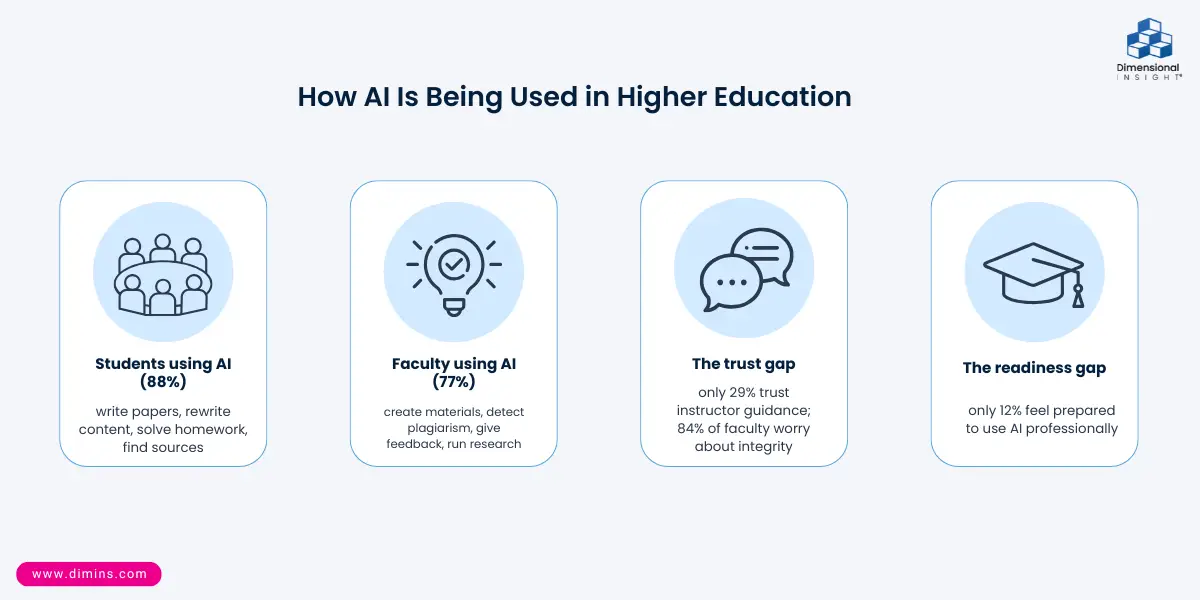
AI is being used in a widespread manner in higher ed by both students and faculty. Globally, 88% of students have used AI to support their studies, most commonly to:
- Write papers
- Rewrite content
- Solve homework problems
- Search for sources
77% of faculty have reported using AI in their curriculum to:
- Create teaching materials
- Detect plagiarism in students’ work
- Provide feedback to students
- Conduct research
The number of students and faculty regularly using AI has increased 16% since 2025. Additionally, AI use is widely promoted as many universities provide free access to ChatGPT Edu for students. While these increasingly growing applications indicate that AI has become a crucial part of academic workflow, it also means that a new set of challenges have been introduced. Students now must learn to use AI responsibly, and educators must consider how to integrate appropriate policies into their teaching.
What are the negative effects of AI in education?
However, a survey by the Digital Education Council states that only 29% of students feel as though their instructors are well equipped to guide them on AI, and a College Board survey found that 84% of faculty report concerns surrounding academic integrity with AI. Additionally, students worry about their peers using AI, as they are concerned that it may create unfair advantages. While institutions are eager to continue implementing AI-related skills and uses, this lack of guidance and trust could face severe consequences. Unclear expectations about appropriate AI use may lead to overreliance, preventing students from thinking independently, and inconsistency across curriculums.
For example, at Brown University, an economics professor allowed his students to take home their midterm exams. The exam had an average score of 96%, which varied drastically from past years. He ran the questions through ChatGPT and realized that his students had most likely used AI to complete the exam. He then required the final exam to be taken in-person, which resulted in 18 students dropping the class, and the class ended up with an average score of 48.6%.
Despite AI’s potential to enhance learning, this case emphasizes the importance of promoting AI literacy, not dependence. It is important to implement policies to condone academic integrity, however; it is just as important to introduce policies that ensure that AI is used as a tool and not a replacement.
How does this translate beyond education?
Of course, AI isn’t just being used in higher ed – it is being used widespread in the workplace as well. However, only 12% of students feel as though their studies are preparing them to use AI professionally. There is also concern surrounding AI taking over future job opportunities. This further exemplifies the need for adequate AI training in higher education. Students need to learn to work with AI instead of against it, setting them up for success throughout their careers.

Relying on Data in the Supply Chain When AI Doesn’t Deliver
One of the challenges with using artificial intelligence (AI) in the supply chain industry is that the data isn’t always coming from within your own organization. Supply chain companies rely on many others to gather the necessary information that powers artificial intelligence, and there are times the data is hard to access or in some cases less trustworthy.
On top of that, sometimes the technology itself is unreliable and causes more problems than it helps solve. Here’s a look at what artificial intelligence can do in the supply chain industry, where it can fall short, and how your organization can still succeed even if AI isn’t a part of your infrastructure.