
What’s New on the Website
02.17.26
Press coverage
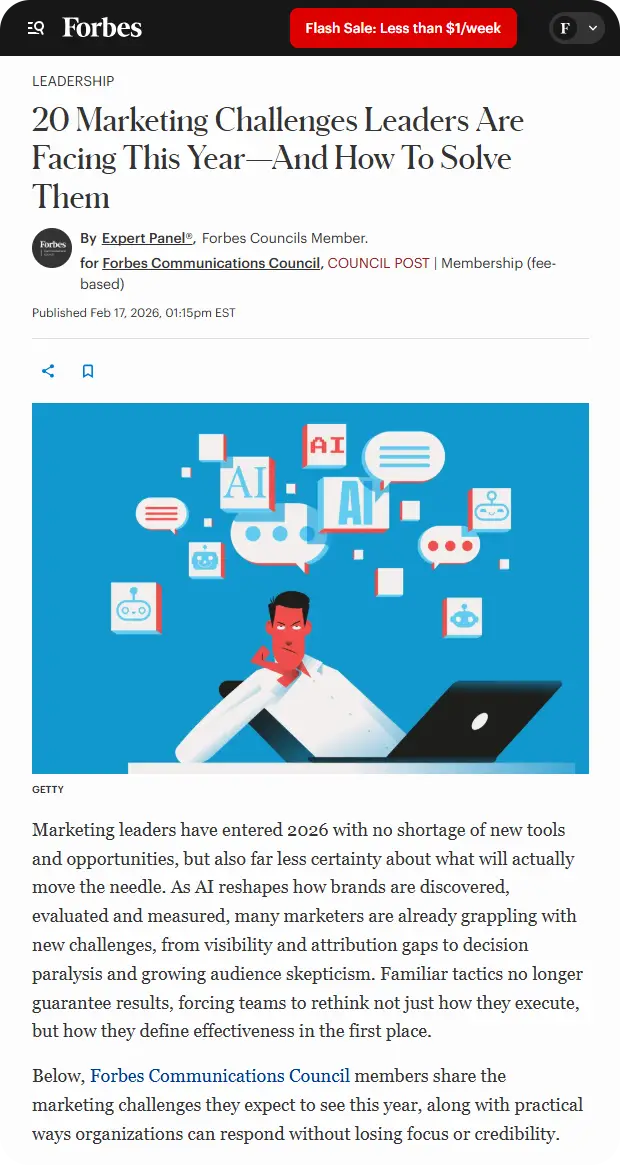
20 Marketing Challenges Leaders Are Facing This Year—And How To Solve Them
New Episode of the Knowledge Forum!
- DivePort: Controlling First-Load Behavior with Defaults
- Squashing vs. Diving: Comparing Spectre Flow and Spectre Dive
Watch new episode →
New Episode of the Knowledge Forum!
- DivePort Page Types
- Crosstab: Brand Analysis in NAVO
Watch new episode →
Press release
Dimensional Insight named a Strong Performer in the 2025 Voice of the Customer for Analytics and BI
Distinction in Gartner Report Is Based on Feedback and Ratings from End-User Professionals
Press release
Dimensional Insight Recognized in KLAS 2025 Consistent High Performers Report
Recognition underscores Dimensional Insight’s long-term commitment to trusted partnerships, measurable outcomes, and customer satisfaction in healthcare analytics
12.05.24
New Episode of the Knowledge Forum!
- Using Program Advisor
Watch new episode →
12.01.25
Press coverage
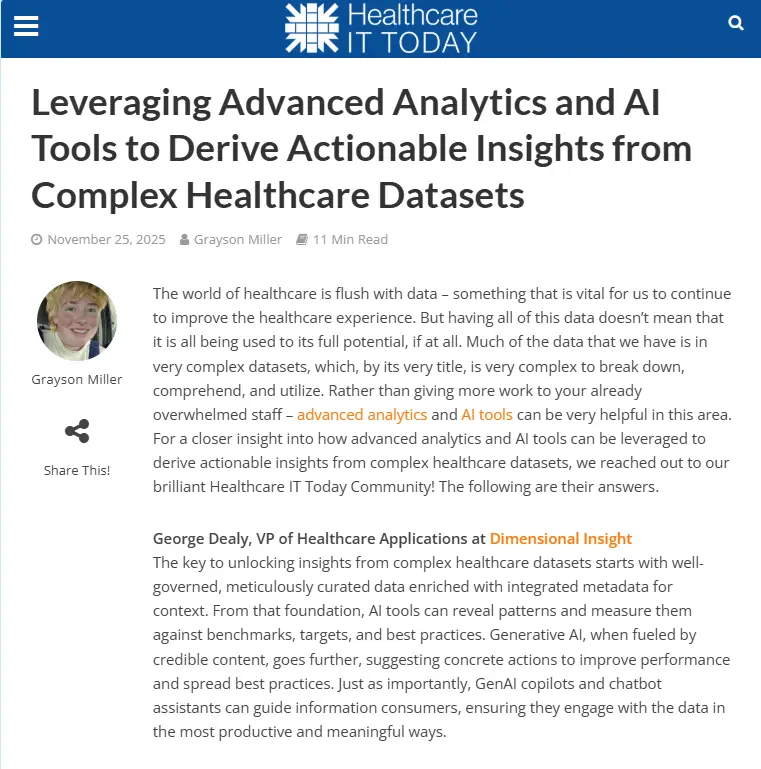
Leveraging Advanced Analytics and AI Tools to Derive Actionable Insights from Complex Healthcare Datasets
News Archive
2025
2024
2023
2022
2021
2020

How Data Helps Improve Accessibility
Data can sometimes be intangible. We don’t encounter the numbers in our everyday lives that organizations spend most of their time trying to make sense of in order to better their business. Sometimes, though, data is very much tangible, and people encounter it all the time, but might not think about it because it doesn’t apply to them. That’s the case with accessibility.
The Americans With Disabilities Act Standards for Accessible Design lay out the requirements for businesses’ accessibility. So much of that is data that has a great impact on the lives of millions of people—16% of the global population, according to the World Health Organization. Here’s a look at some of the ways that information gets to the people who need it, and how that can offer a road map for how analytics can work for your organization.

Data Helps Supply Chain Leaders Make Pivotal Decisions
Many organizations have learned important lessons over the past few years about how to adjust their supply chain routines when a disruption occurs. Among the many negative impacts of the latest conflict in the Middle East is a rise in fuel costs, coupled with the fact that shipping vessels need to change their routes.
While organizations might not have prepared for this exact scenario, the ones that use data to put themselves in the best position to handle disruptions are ahead of the game. They can make quick decisions based on the information they’ve gathered over the years to pivot where they can, whether in this case that involves finding more efficient routes or using different transportation and shipping options altogether. Analytics solutions can save organizations time and money when they are used correctly. Here are a couple more instances where organizations can use analytics to be more efficient.