
What’s New on the Website
Press coverage
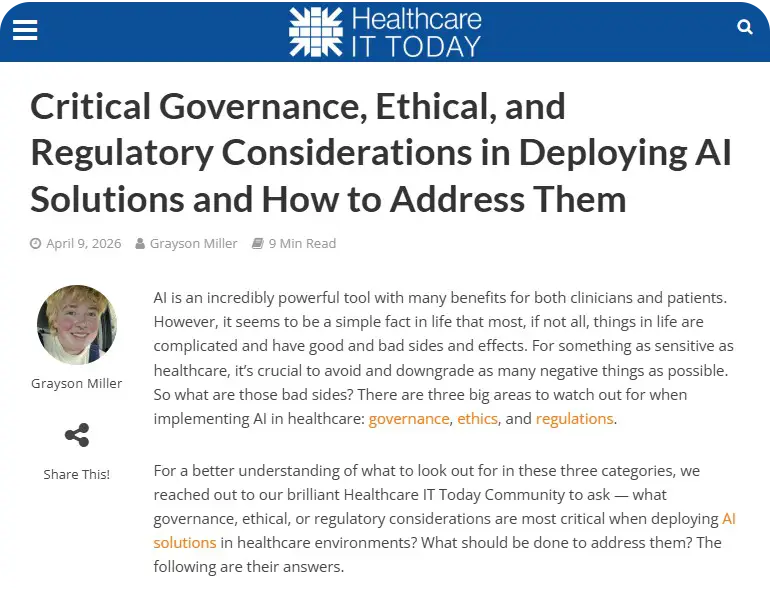
Critical Governance, Ethical, and Regulatory Considerations in Deploying AI Solutions and How to Address Them
04.01.26
Press coverage
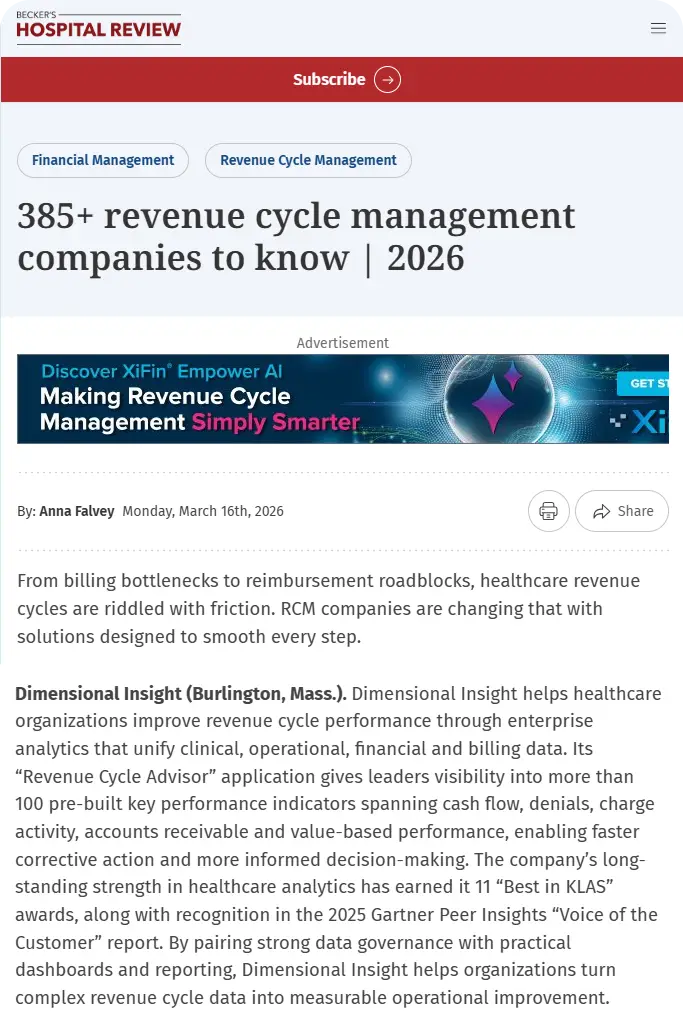
385+ revenue cycle management companies to know | 2026
03.31.26
Press coverage
AI Can Quickly Become a Confident Liar. Dimensional Insight Explains How to Prevent It.
Click to read the article
02.17.26
Press coverage
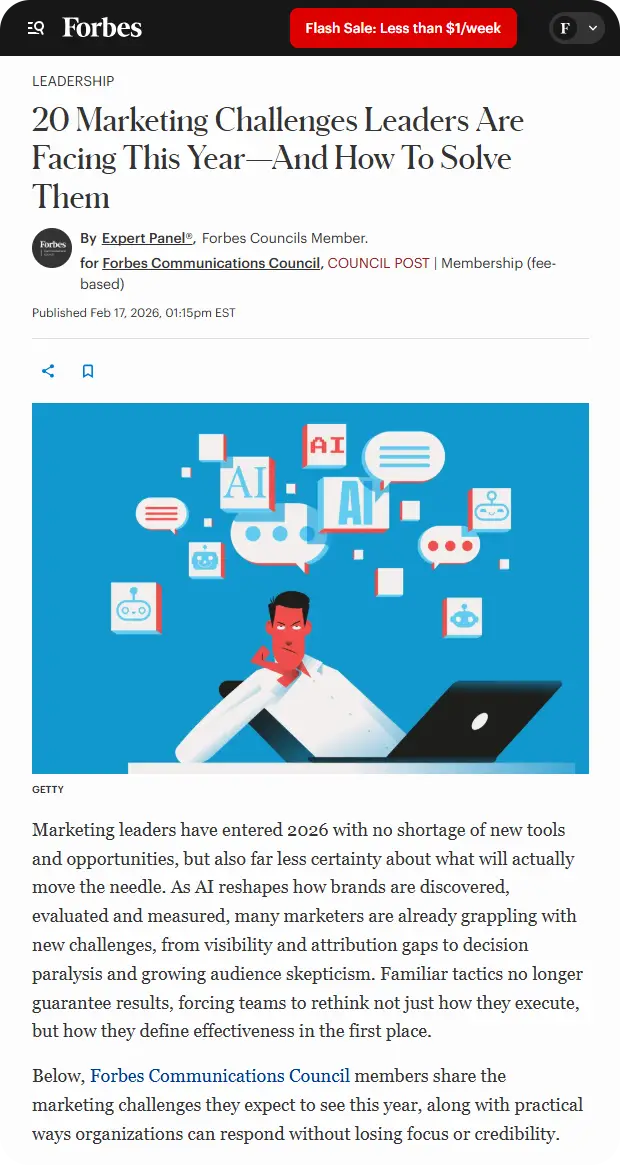
20 Marketing Challenges Leaders Are Facing This Year—And How To Solve Them

New Episode of the Knowledge Forum!
- DivePort: Controlling First-Load Behavior with Defaults
- Squashing vs. Diving: Comparing Spectre Flow and Spectre Dive
Watch new episode →
New Episode of the Knowledge Forum!
- DivePort Page Types
- Crosstab: Brand Analysis in NAVO
Watch new episode →
Press release
Dimensional Insight named a Strong Performer in the 2025 Voice of the Customer for Analytics and BI
Distinction in Gartner Report Is Based on Feedback and Ratings from End-User Professionals
Press release
Dimensional Insight Recognized in KLAS 2025 Consistent High Performers Report
Recognition underscores Dimensional Insight’s long-term commitment to trusted partnerships, measurable outcomes, and customer satisfaction in healthcare analytics
12.05.24
New Episode of the Knowledge Forum!
- Using Program Advisor
Watch new episode →
12.01.25
Press coverage
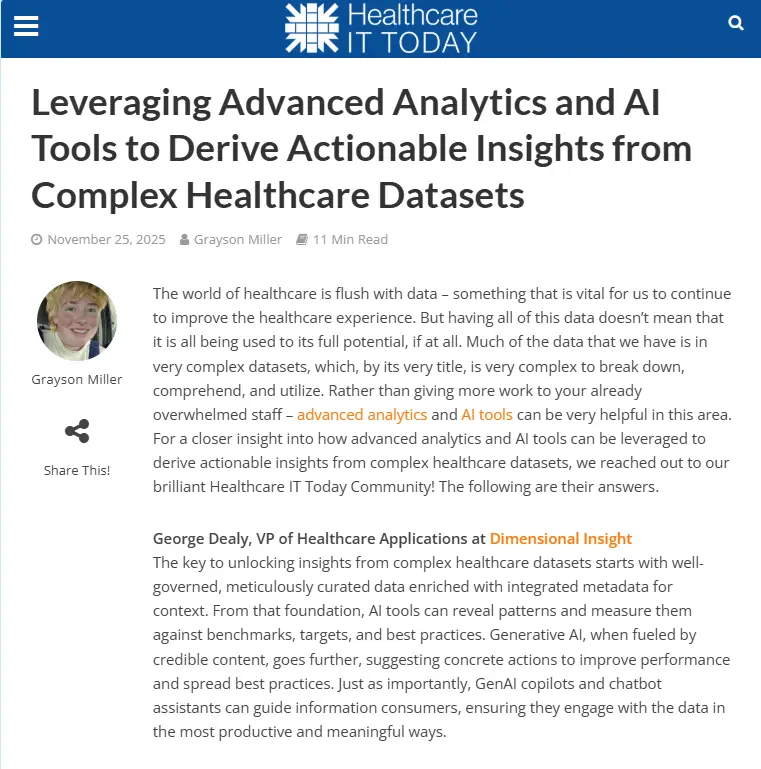
Leveraging Advanced Analytics and AI Tools to Derive Actionable Insights from Complex Healthcare Datasets
News Archive
2025
2024
2023
2022
2021
2020

How Vineyards Use Data and Analytics
A lot of companies turn to data for immediate results. They need an analytics solution that can track information in real-time and allows them to make business decisions that will have an immediate impact on their bottom line.
In the wine industry, though, there are some data points that move much more slowly. It can take years of tracking for vineyards to gather data on some of the grapes they are growing. Here’s an example of the kind of long-term data-gathering that can happen in the winemaking industry, and how technology can help speed up the process in certain ways.

Supply Chain and the USPS’ Focus on Data
The United States Postal Service delivers 127 billion pieces of mail each year. Like any other organization, though, it faces competition from other companies that promise to get packages delivered safer or faster or with less hassle for the customer. In order to keep itself relevant and stay ahead of competitors, the USPS is relying heavily on data.
The USPS processes more than 110 petabytes of data per year. It is working to make better use of all of that data to better serve customers and continually evolve. Here’s a look at how the organization is using analytics, and the lessons other organizations in the supply chain can apply to their own work with data.